
Uncategorized
https://blackgirlnerds.com/the-truth-about-black-women-and-the-dream-of-home-ownership/
What we know for sure is that financial inequality for Black women compared to other groups is a systemic issue and requires across-the-board transformation of our systems. Home ownership is a primary example of how funders and advocates miss the mark when identifying the problem and, in turn, propose solutions that really don’t work.
Home ownership has been an effective strategy for white wealth building. However, white people have been able to build wealth through home ownership because our housing industry was built to benefit them — and only them. The history of anti-Black U.S. housing policies lets us know that without system-level change, Black women will never be able to reap the benefits of home ownership as their white counterparts do.
The racism that infuses the housing industry is now well-known. The real estate industry has, at different points in history, excluded Black people from home ownership and used predatory practices to deny loans to Black residents. It’s called redlining: a practice of disinvestment and declining values in certain neighborhoods that kept many Black people out of the growing housing market and stuck in poverty. Real estate agents and mortgage brokers knew Black women had limited options and assumed they would likely default on their mortgages.
Lower Black home ownership and the racial wealth gap are consequences of systemic racism, coupled with the legacies of slavery and policies that targeted Black people and predominantly Black neighborhoods. These things are real hurdles and have had a lasting effect on Black people within the housing industry. Then there is the extra element of sexism that makes achieving home ownership for Black women even more difficult.
As the Great Depression began, only 20 percent of the Black population owned homes. In the 1990s, single Black women were doing well and emerged as a significant group of home buyers. They outpaced single white women and men by the early 2000s. By then the overall Black home ownership rate reached nearly 50 percent, with more than half of that made up by Black women.
But when the housing crisis swept through in 2007, the economy unraveled and Black women were hit the hardest, losing nearly 40 percent of their wealth, compared to only 10 percent for white women.
Home ownership is supposedly the American Dream. Yet, I think about how the homes that were once fixtures and symbols of the American dream have now become the grounds of gentrification and urban development. The truth is that home ownership is more than just owning a home. It’s about laying a foundation for building generational wealth, just like my grandparents ingrained in us. It’s also a base for family and financial security. So, that’s why it’s absolutely worth striving for.

Black women are disadvantaged as homeowners due to stigma and structural racism. The challenges are even greater for transgender women. Oftentimes, women have lower incomes, fewer assets, and greater debts, which can lower their likelihood of being approved for loans or getting the best loan terms. Although women are typically better about paying their mortgages, they often face higher interest rates than men and are subject to predatory lending practices.
When women, especially Black women, accomplish something on their own, it tends to get downplayed or not taken seriously; it’s an unimaginable feat. The media began to celebrate female home ownership as a form of empowerment or self-care. The Washington Post even described it as satisfying a “female urge,” comparing it to a biological clock.
Women, in general, were refused mortgages until 1974 when legislation was put in place to prohibit it from happening. To make matters worse, it took nearly ten years for the Supreme Court to rule that unclassified women are legally subordinate to their husbands in terms of property ownership and control.
We should take care to understand that home ownership is a mixed bag for Black women. Without safeguards, there is no guarantee that Black women will have the opportunity to benefit from being homeowners or that home ownership will be an effective means to decrease the racial wealth gap.
Black women aren’t waiting for the traditional family unit or marriage to move forward with purchasing a home. One of the main reasons is that, despite disparities, we’re more educated and make more money than we ever have. We don’t have to wait, because we can do it ourselves. We recognize the great financial investment that it is and the value it adds to a portfolio. So, one income it is. We expect to be treated fairly and equally through the home buying process and achieve our portion of the dream.
The American dream looks different, depending on who you ask. As a Black woman, owning a home is investing in my story and creating generational wealth for my family. The indelible history that is woven into Black people is foundational to our families, communities, and an economy that benefits from our buying power.
June is National Homeownership Month which promotes the benefits of home ownership and commits to creating opportunities for future homeowners. This month, search for local forums in your city that bring together experts to talk about the state of housing. Learn about the National Association of Realtors’ work with the Biden administration and Congress on solutions to address housing supply and affordability constraints that affect us all.
The post The Truth about Black Women and the Dream of Home Ownership appeared first on Black Girl Nerds.
What we know for sure is that financial inequality for Black women compared to other groups is a systemic issue and requires across-the-board transformation of our systems. Home ownership is a primary example of how funders and advocates miss the mark when identifying the problem and, in turn, propose solutions that really don’t work.
Home ownership has been an effective strategy for white wealth building. However, white people have been able to build wealth through home ownership because our housing industry was built to benefit them — and only them. The history of anti-Black U.S. housing policies lets us know that without system-level change, Black women will never be able to reap the benefits of home ownership as their white counterparts do.
The racism that infuses the housing industry is now well-known. The real estate industry has, at different points in history, excluded Black people from home ownership and used predatory practices to deny loans to Black residents. It’s called redlining: a practice of disinvestment and declining values in certain neighborhoods that kept many Black people out of the growing housing market and stuck in poverty. Real estate agents and mortgage brokers knew Black women had limited options and assumed they would likely default on their mortgages.
Lower Black home ownership and the racial wealth gap are consequences of systemic racism, coupled with the legacies of slavery and policies that targeted Black people and predominantly Black neighborhoods. These things are real hurdles and have had a lasting effect on Black people within the housing industry. Then there is the extra element of sexism that makes achieving home ownership for Black women even more difficult.
As the Great Depression began, only 20 percent of the Black population owned homes. In the 1990s, single Black women were doing well and emerged as a significant group of home buyers. They outpaced single white women and men by the early 2000s. By then the overall Black home ownership rate reached nearly 50 percent, with more than half of that made up by Black women.
But when the housing crisis swept through in 2007, the economy unraveled and Black women were hit the hardest, losing nearly 40 percent of their wealth, compared to only 10 percent for white women.
Home ownership is supposedly the American Dream. Yet, I think about how the homes that were once fixtures and symbols of the American dream have now become the grounds of gentrification and urban development. The truth is that home ownership is more than just owning a home. It’s about laying a foundation for building generational wealth, just like my grandparents ingrained in us. It’s also a base for family and financial security. So, that’s why it’s absolutely worth striving for.
Black women are disadvantaged as homeowners due to stigma and structural racism. The challenges are even greater for transgender women. Oftentimes, women have lower incomes, fewer assets, and greater debts, which can lower their likelihood of being approved for loans or getting the best loan terms. Although women are typically better about paying their mortgages, they often face higher interest rates than men and are subject to predatory lending practices.
When women, especially Black women, accomplish something on their own, it tends to get downplayed or not taken seriously; it’s an unimaginable feat. The media began to celebrate female home ownership as a form of empowerment or self-care. The Washington Post even described it as satisfying a “female urge,” comparing it to a biological clock.
Women, in general, were refused mortgages until 1974 when legislation was put in place to prohibit it from happening. To make matters worse, it took nearly ten years for the Supreme Court to rule that unclassified women are legally subordinate to their husbands in terms of property ownership and control.
We should take care to understand that home ownership is a mixed bag for Black women. Without safeguards, there is no guarantee that Black women will have the opportunity to benefit from being homeowners or that home ownership will be an effective means to decrease the racial wealth gap.
Black women aren’t waiting for the traditional family unit or marriage to move forward with purchasing a home. One of the main reasons is that, despite disparities, we’re more educated and make more money than we ever have. We don’t have to wait, because we can do it ourselves. We recognize the great financial investment that it is and the value it adds to a portfolio. So, one income it is. We expect to be treated fairly and equally through the home buying process and achieve our portion of the dream.
The American dream looks different, depending on who you ask. As a Black woman, owning a home is investing in my story and creating generational wealth for my family. The indelible history that is woven into Black people is foundational to our families, communities, and an economy that benefits from our buying power.
June is National Homeownership Month which promotes the benefits of home ownership and commits to creating opportunities for future homeowners. This month, search for local forums in your city that bring together experts to talk about the state of housing. Learn about the National Association of Realtors’ work with the Biden administration and Congress on solutions to address housing supply and affordability constraints that affect us all.
The post The Truth about Black Women and the Dream of Home Ownership appeared first on Black Girl Nerds.
In 1984, following the success of their debut album, Diamond Life, the English band Sade, led by Sade Adu, released an even more successful follow-up, Promise. The album debuted in November 1985 and was a massive success for the band, as it was their first album to reach #1 on the US Billboard 200, where it spent two weeks at the top position. By September 1988, the album had sold more than one million copies in the United States, and by 1997, it was certified quadruple platinum for shipping over four million copies.
But before the album was released, Sade decided to give its fans a taste of what was to come, so one month prior to the album’s release, they released a 7-inch single (referring to a small, 7-inch vinyl record featuring one song per side) called “The Sweetest Taboo.” Needless to say, the single was a massive hit when it was released, and now, almost 40 years later, it remains an enduring classic, influencing artists and creators across generations.
Its smooth, sultry sound and evocative lyrics have made it a go-to reference in pop culture, appearing in everything from hit TV shows to hip-hop lyrics. Whether sampled in a chart-topping song, woven into a movie scene to set the mood, or name-dropped by an artist paying homage, “The Sweetest Taboo” continues to leave its mark decades after its release, and here are six times pop culture paid major tribute to the song.
Pose
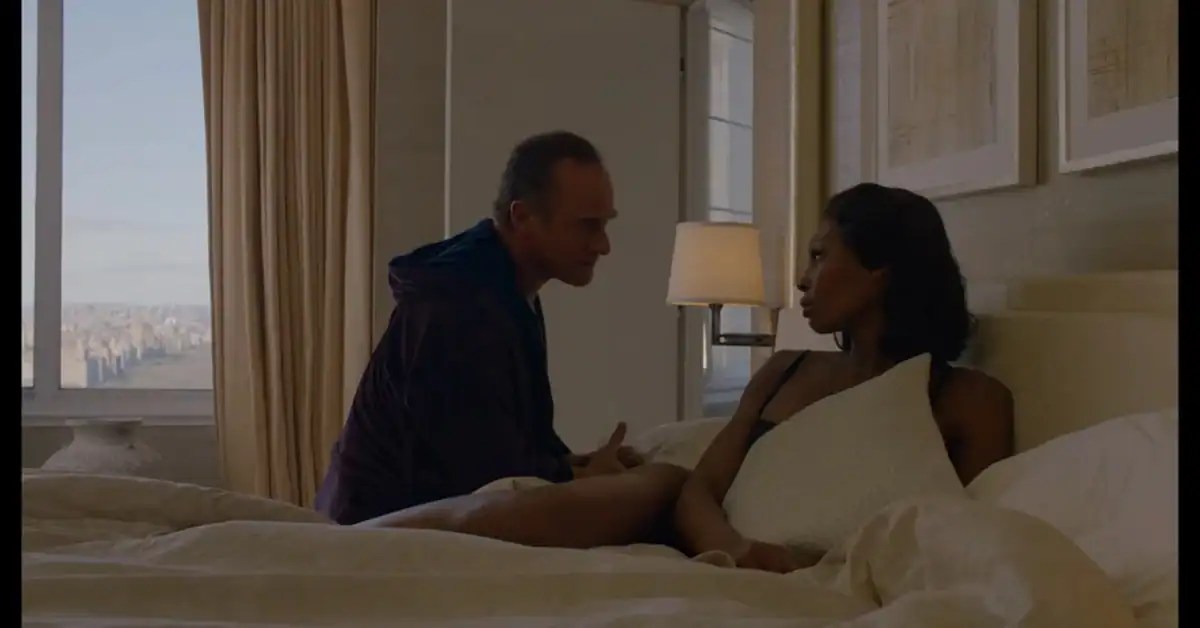
Pose is an American drama Netflix series about New York City’s ball culture and LGBTQ subculture in the Black and Latino communities throughout the 1980s and 1990s. It centers on several characters, most of whom are dancers and models competing for trophies and recognition in this underground culture and who support one another in a network of chosen families, also known as Houses.
Sade’s “The Sweetest Taboo” can be heard at the beginning of the episode “Pink Slip” (Season 1, Episode 7), during a seduction scene between Elektra (Dominique Jackson) and her wealthy lover and financier Dick Ford (Christopher Meloni). It elevated the intimate reunion on the screen despite the fact that the scene didn’t actually end well.
Silicon Valley
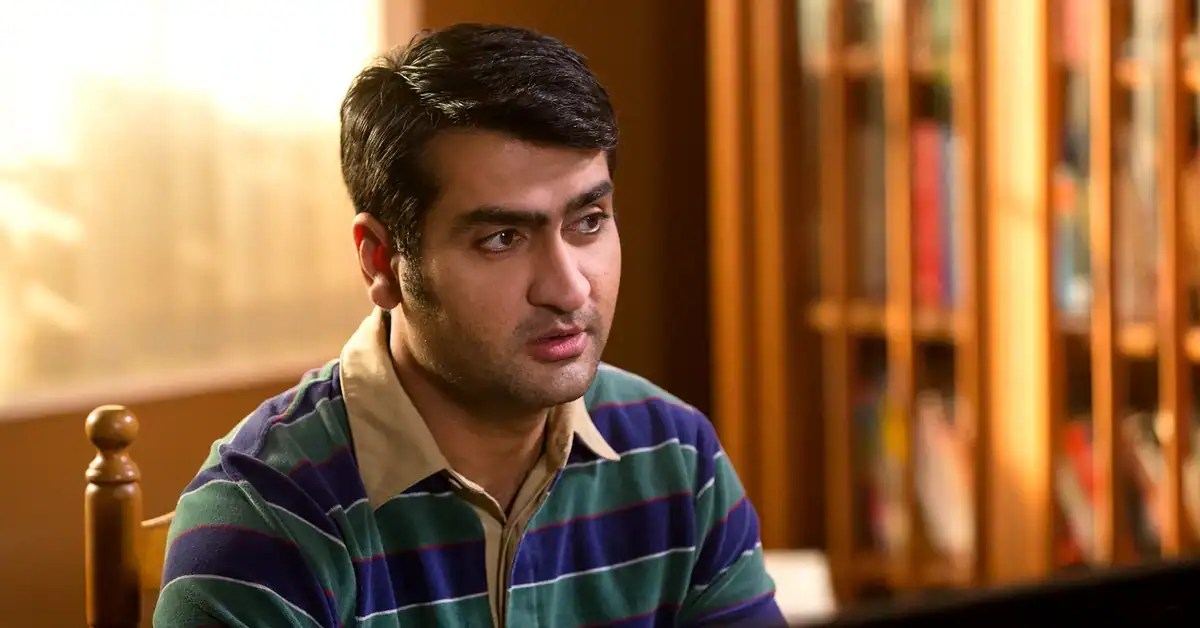
Silicon Valley is a hilarious take on contemporary technology and the geeks who create it. It focuses on Richard Hendricks, a programmer who founded a startup company and then struggles to maintain it while facing competition from other giants in the tech industry. Sade’s “The Sweetest Taboo” is heard in one of the ending scenes of the seventh episode of Season 2, titled “Adult Content.”
In the episode, Dinesh, portrayed by Kumail Nanjiani, meets Karen over social media, and the two begin exchanging texts. Towards the end of the episode, Dinesh invites Karen over, only to realize that she’s Erlich’s former lover. Dinesh is then left sitting dejectedly in front of the computer, with the sound of “The Sweetest Taboo” coming from Erlich’s room as he and Karen get intimate.
Adomako Aman’s Tribute Video

In a creative homage, artist-filmmaker Adomako Adan directed and starred in a 2019 tribute video reimagining Sade’s “The Sweetest Taboo” with a few contemporary twists. The short film, premiered by PAPER magazine, lovingly recreates the look and feel of Sade’s original 1985 music video.
Aman portrayed Sade in the tribute and even went on to recreate the romantic getaway scenes with his love interest. However, the twist here is queer Black love story, as rapper DonChristian co-stars as the love interest. Aman’s tribute highlights the enduring appeal of “The Sweetest Taboo” across generations while also celebrating its legacy through a fresh narrative paired with iconic imagery and a well-known vibe of the original.
Prince: S.S.T.

Pop legend Prince also paid tribute to Sade with his 2005 charity single S.S.T., which the artist released to raise funds after Hurricane Katrina. The song’s title is an acronym that stands for “Sade’s Sweetest Taboo,” but it also refers to sea surface temperature, a metric used to monitor the threat of hurricanes.
Interestingly, “The Sweetest Taboo” was name-checked more than once in the lyrics. By weaving this reference into the title and vibe of the song, Prince acknowledged Sade’s influence, not just on music but also on his own artistry.
Les Nubians: Tabou

Les Nubians is a French musical duo and one of the most successful French-language musical groups in the United States. It is best known for its Billboard R&B single “Makeda.” Back in 1998, they paired with Tariq “Black Thought” Trotter of The Roots to produce “Tabou” for their Princesses Nubiennes album.
Though it has new French lyrics, “Tabou” carries the melody of Sade’s timeless hit, proving “The Sweetest Taboo”s global influence in the ’90s. In fact, “Tabou” is actually credited as the French adaptation of “The Sweetest Taboo,” despite the fact that the lyrics are significantly different.
Glamma Kid feat. Shola Ama: Taboo

Sade was immensely popular in their home country (England), and dancehall artist Glamma Kid paid his homage to the band by teaming up with R&B singer Shola Ama to produce their own “Taboo” — a hit single that interpolated the chorus and melody of “The Sweetest Taboo” with Glamma’s reggae-fusion.
While the track openly borrows from Sade’s own song, it became a pop culture moment of its own, as it reached #10 on the UK Singles Chart in 1999. This underscored just how enduring and adaptable “The Sweetest Taboo” really was, introducing Sade to younger late-’90s audiences.
Final Thoughts
In the end, “The Sweetest Taboo” transcended its 1980s origins, as it was sampled, covered, mentioned in other works by other artists, featured in TV shows, and even reimagined. It not only influenced the pop culture of the late 1980s, but its influence extended well into the 2010s and even 2020s, and these six moments collectively illustrate just how impactful “The Sweetest Taboo” is in both music and media.
The post 6 Times Pop Culture Paid Major Tribute to Sade’s “The Sweetest Taboo” appeared first on Black Girl Nerds.
Gina Torres seems to be one of those actors you always hear about in the periphery. But just because you haven’t heard of her or her work, it doesn’t mean that she’s not famous. In fact, it might just mean that you’re not a diehard fan of science fiction television and cinema. However, those with a taste for science fiction and speculative work would immediately recognize Torres from her numerous standout roles in La Femme Nikita, Cleopatra 2525, Firefly, and even the Matrix franchise, which is almost always surrounded by controversy.

The truth is that the Bronx-raised Cuban American Torres has more than two decades’ worth of acting experience and a well-established name in the television sci-fi genre. But her talents don’t end there. After appearing in 1995’s run of One Life to Live television drama series and subsequently appearing in the action thrillers such as Alias and 24, Torres proved that she’s an exceptionally talented actor capable of taking on any genre across multiple media, including video games and animated films and series. Here are five lesser-known roles that make Gina Torres into our sci-fi Woman Crush Wednesday every day of the week:
1. Angel (1999)

1999’s Angel is Joss Whedon’s spin-off from Buffy the Vampire Slayer series that ran for five seasons from 1999 to 2004. It centered around the ongoing trials of Angel, a vampire “cursed” with remorse and a human soul and Buffy’s love interest. Gina Torres portrays Jasmine, also known as the Blessed Devourer, as the rogue member of the Powers That Be, a group of ancient beings that watch over mankind.
However, while the Powers have guided the forces of good, Torres’ Jasmine leans to the other side of the scale. She has achieved corporeal form on Earth and intends to become its ruler through telepathic enslavement of humanity, which would worship her unquestioningly while she devours people to maintain her energy and form. Torres’ performance of this complexly conceptualized character earned her a Satellite Award for a Best Supporting Actress nomination.
2. Firefly (2002–2003)

After Angel and Matrix Reloaded, Torres appeared in 14 episodes of Firefly as Zoe Washburne — first mate of Malcolm Reynolds’ Serenity spaceship and a tough and deadly fighter. Her character in the series, and later reprised in the Serenity spin-off film, actually went through the Unification War, serving under Serenity’s Captain Reynolds while dealing with numerous issues both in her service and on the ship itself.
For those unfamiliar with Firefly, the series ran for just one season before it was canceled due to poor ratings. Despite being described as an “odd mess” by the critics, the series has garnered a cult following among sci-fi fans, so much that some even tried purchasing the rights to the series. Unfortunately, the rights to this fantastic project have remained with Fox and Whedon.
3. Cleopatra 2525 (2020)

Cleopatra 2525 was a short-lived and quite bizarre sci-fi television show that again put Torres in Joss Whedon’s talent-hunting crosshairs. The series gave Torres her very first leading role after playing a recurring character in numerous television series prior. Its narrative centers around Cleo, an exotic dancer who falls into a coma during breast augmentation surgery and wakes up from suspended animation 525 years into the future.
Torres portrays Hel, leader of a small group of women acting as resistance against flying machines terrorizing humanity in the year 2525. Unfortunately, the series only ran for two seasons and ended on a permanent cliffhanger. And it had a really catchy theme song, “In the Year 2525,” performed by Gina Torres herself, though the song was actually a rewrite of “The Year 2525” by Zager and Evans. Additionally, her performance in the show brought Gina Torres the ALMA Award for Outstanding Lead Actress in a Syndicated Drama Series.
4. Hannibal (2013)

While she’s best known for her sci-fi work, Torres ventured into other genres, including the American psychological horror-thriller television show centered around a cultured serial killer. Hannibal is a critically acclaimed television series that ran for three seasons, garnering a cult following, and is considered one of the best television series of all time.
Gina Torres had a recurring side role, appearing across all three seasons in a total of five episodes. She portrayed Phyllis Bella Crawford, the dying wife of Jack Crawford portrayed by Laurence Fishburne, who was, at the time, her husband. Her character died in the final season of the series, presumably due to morphine overdose.
5. Westworld (2016)

Torres appeared in several episodes of the ongoing dystopian sci-fi neo-Western television series Westworld. She portrays Lauren Weber, the wife of the late Arnold Weber, who created the entire Westworld — a Wild West theme park where high-paying visitors indulge in their wildest and often quite illegal fantasies. Her husband, Arnold, died in the park shortly after the death of their son but was soon given “second life” as an artificial human, created by his friend Robert Ford.
An artificial version of Lauren was created to give Bernard, an artificial human created in Arnold’s image, a backstory. She appears as a small but relatively impactful role in the series, as her character, both real and artificial version, helps Bernard come to terms with his own existence and the death of his (his counterpart’s) son.
An Honorable Mention

Torres is credited with over 92 appearances in various media, including animated and live-action television series and films, as well as video games. She portrayed Jessica Pearson, a former managing partner of a major law firm and a current aide to the mayor of Chicago in 2011’s legal drama television show Suits. Despite leaving the series after Season 7, Torres won the Imagen Award for Best Supporting Actress in a Television Series in 2018.
Though most prominent in the sci-fi genre, Gina Torres’ exceptional talent proved that she’s more than capable of tackling any genre across cinematic, television, or even gaming mediums. The actress is currently involved in 9-1-1: Lone Star TV show, while she’s also set to appear in Netflix’s The Perfect Find, which is currently in post-production.
The post 5 Little Known Roles That Make Gina Torres Our Sci-Fi Woman Crush Wednesday Every Day of the Week appeared first on Black Girl Nerds.
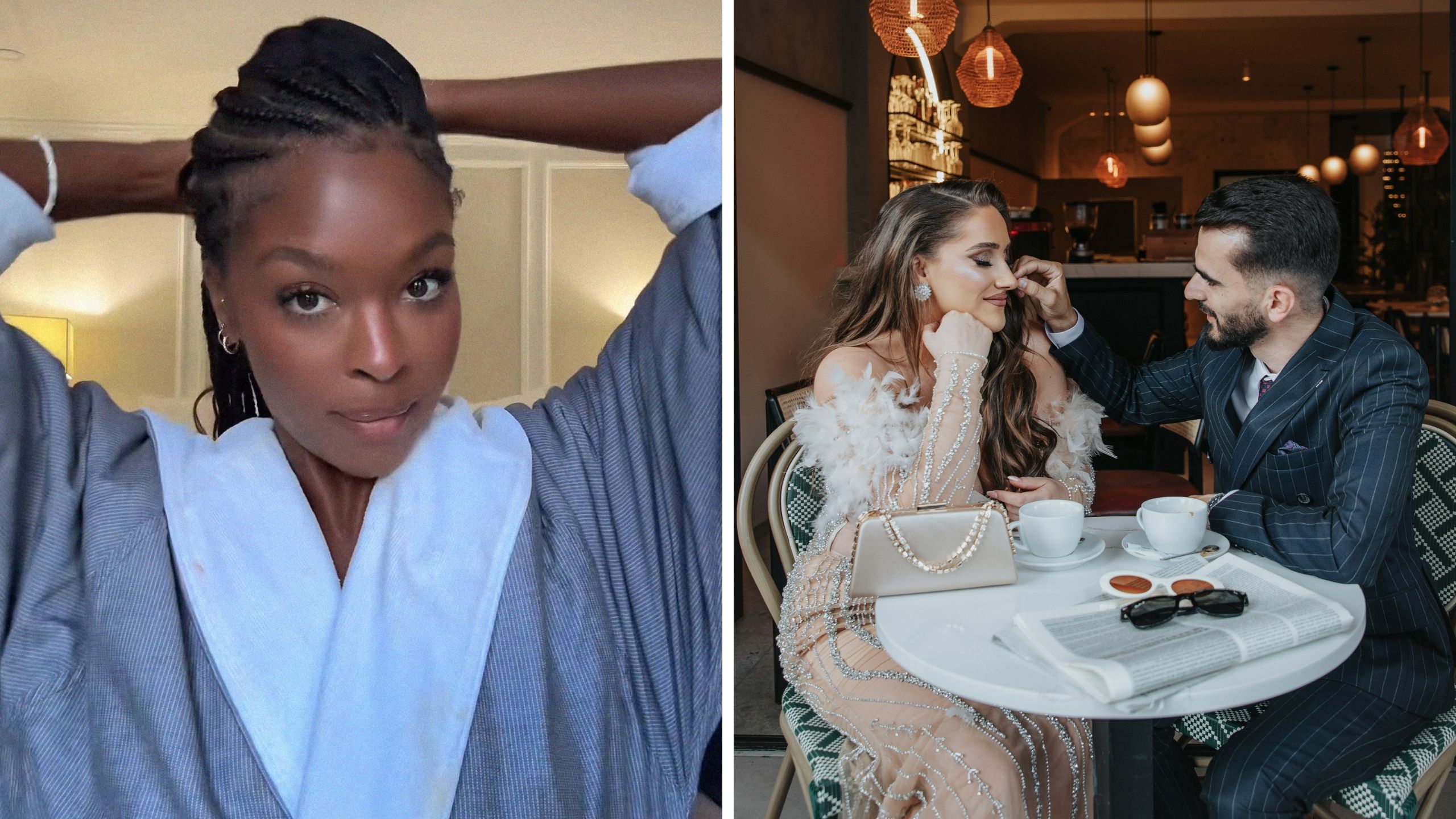
A Miami woman has gone viral after sharing how her date was circulated on TikTok. The strangest part? She wasn’t even mad.
In the viral clip, Kris (@kristina.elise) started by doing her hair, before saying, “I just want you guys to see this video of me and my man on what I thought we were having was a casual night out to dinner. And we just looked really good.”