
Uncategorized
https://blacknerdproblems.com/rick-morty-season-8-is-as-egregiously-entertaining-as-ever/
In a pop culture landscape where HBO became HBO NOW became HBO MAX became MAX has become HBO MAX again and the vast majority of animated series we associate with Cartoon Network and Adult Swim seem to be a dwindling cohort, perhaps fittingly the only universal constant is that Rick & Morty has managed to persist. Now entering its eighth season (and an anime gaiden which was fine), the unapologetic and nihilistic series manages to continue its streak of irreverent black comedy and endlessly inventive twists on familiar premises.

Now, I had the fortune of seeing four episodes of the season coming out later this week on May 25, and while I don’t want to divulge any information about the plot, I can ensure you that the show hasn’t lost its step in the two years since season 7 left us. Showrunner Scott Marder (who has been at the helm since season 5) continues with a strong showing of episodes that make fantastic use of the twenty-ish minutes of time available. Ian Cardoni and Harry Belden who took over the mantle of Rick and Morty respectively in season 7 seamlessly continue to give stellar performances with the same level of arrogance, grievance, annoyance, and animosity that has defined the show for years. And Chris Parnell, Spencer Grammer, and Sarah Chalke continue to round out the supporting cast brilliantly. While the show is called Rick & Morty, the show wouldn’t work nearly as well without Jerry, Summer, and Beth engaging in the wonderfully weird world. And it’s impressive that after 71 episodes, there are still a plethora of vectors and situations that continue to feel novel and manage to jump rope with your preconceived notion of what will happen next.

The show’s animation is familiarly busy, with visual gags galore and plenty of body horror and continues to be sickly smooth. The musical backing is absolutely brilliant between a pitch perfect soundtrack and wonderfully dramatic musical background. And the continued high standard of production is one of the many reasons why the show remains show enjoyable. Well, all of that and the endlessly clever writing that will undoubtedly produce a fountain of memes shortly after each episode airs and a steady drip of mythology here and there.

Eight seasons in, you probably know whether or not you’re a fan of Rick & Morty (whether or not you’re in the *fandom* of Rick & Morty is probably a slightly more complicated question which requires interrogating your exact opinions on the walking God complex that is Rick Sanchez). I am a fan of the show. It is intelligent, witty, and utterly reckless at times that it’s hard not to be entertained. To call this a “review” would be slightly disingenuous, as this is more accurately a reassurance to the loyal viewer: that the mainline series continues to operate at max, that if you skipped the anime adaptation, you won’t have missed much, and that if you were hoping that your Sunday night or Monday morning was going to get an effective dose of black comedy science fiction that you are indeed going to get your fill.
Want to get Black Nerd Problems updates sent directly to you? Sign up here! Follow us on BlueSky, Twitter, Facebook, YouTube, Twitch, and Instagram!
The post ‘Rick & Morty’ Season 8 is as Egregiously Entertaining as Ever appeared first on Black Nerd Problems.
In a pop culture landscape where HBO became HBO NOW became HBO MAX became MAX has become HBO MAX again and the vast majority of animated series we associate with Cartoon Network and Adult Swim seem to be a dwindling cohort, perhaps fittingly the only universal constant is that Rick & Morty has managed to persist. Now entering its eighth season (and an anime gaiden which was fine), the unapologetic and nihilistic series manages to continue its streak of irreverent black comedy and endlessly inventive twists on familiar premises.
Now, I had the fortune of seeing four episodes of the season coming out later this week on May 25, and while I don’t want to divulge any information about the plot, I can ensure you that the show hasn’t lost its step in the two years since season 7 left us. Showrunner Scott Marder (who has been at the helm since season 5) continues with a strong showing of episodes that make fantastic use of the twenty-ish minutes of time available. Ian Cardoni and Harry Belden who took over the mantle of Rick and Morty respectively in season 7 seamlessly continue to give stellar performances with the same level of arrogance, grievance, annoyance, and animosity that has defined the show for years. And Chris Parnell, Spencer Grammer, and Sarah Chalke continue to round out the supporting cast brilliantly. While the show is called Rick & Morty, the show wouldn’t work nearly as well without Jerry, Summer, and Beth engaging in the wonderfully weird world. And it’s impressive that after 71 episodes, there are still a plethora of vectors and situations that continue to feel novel and manage to jump rope with your preconceived notion of what will happen next.
The show’s animation is familiarly busy, with visual gags galore and plenty of body horror and continues to be sickly smooth. The musical backing is absolutely brilliant between a pitch perfect soundtrack and wonderfully dramatic musical background. And the continued high standard of production is one of the many reasons why the show remains show enjoyable. Well, all of that and the endlessly clever writing that will undoubtedly produce a fountain of memes shortly after each episode airs and a steady drip of mythology here and there.
Eight seasons in, you probably know whether or not you’re a fan of Rick & Morty (whether or not you’re in the *fandom* of Rick & Morty is probably a slightly more complicated question which requires interrogating your exact opinions on the walking God complex that is Rick Sanchez). I am a fan of the show. It is intelligent, witty, and utterly reckless at times that it’s hard not to be entertained. To call this a “review” would be slightly disingenuous, as this is more accurately a reassurance to the loyal viewer: that the mainline series continues to operate at max, that if you skipped the anime adaptation, you won’t have missed much, and that if you were hoping that your Sunday night or Monday morning was going to get an effective dose of black comedy science fiction that you are indeed going to get your fill.
Want to get Black Nerd Problems updates sent directly to you? Sign up here! Follow us on BlueSky, Twitter, Facebook, YouTube, Twitch, and Instagram!
The post ‘Rick & Morty’ Season 8 is as Egregiously Entertaining as Ever appeared first on Black Nerd Problems.

Almost nothing is better than a good sale, especially if it’s your favorite snack or beverage. Heading to the store to fully stock up on your beloved product turns a mundane grocery trip into a slightly more exciting one. But what if something—or someone—gets in the way of those much-needed savings?
One customer demanded answers after she was blocked from buying Powerade that was on sale. In a viral TikTok uploaded to the @ghettogaragebuildz’s TikTok account, a Brookshire’s grocery store customer interrogated an employee as to why he wouldn’t let her leave with all that Powerade.
We’ve been fed Jedi propaganda since 1977. They wear robes like space monks, talk about peace like HR reps during layoffs, and constantly remind us that emotion is the path to the dark side—unless you’re a Skywalker, in which case emotion is your whole personality. But the more I rewatch, reread, and reanalyze every corner of Star Wars canon, the clearer it becomes: the Jedi weren’t the wise peacekeepers they claimed to be. They were emotionally constipated, morally rigid, and weirdly comfortable letting children die for the greater good. They built a system that punishes connection, rewards repression, and calls it balance. In this essay, I will explore how the Jedi, with all their pious rules and performative peacekeeping, may have caused more galactic chaos than the Sith ever could.
The Jedi Code: A Red Flag Manifesto
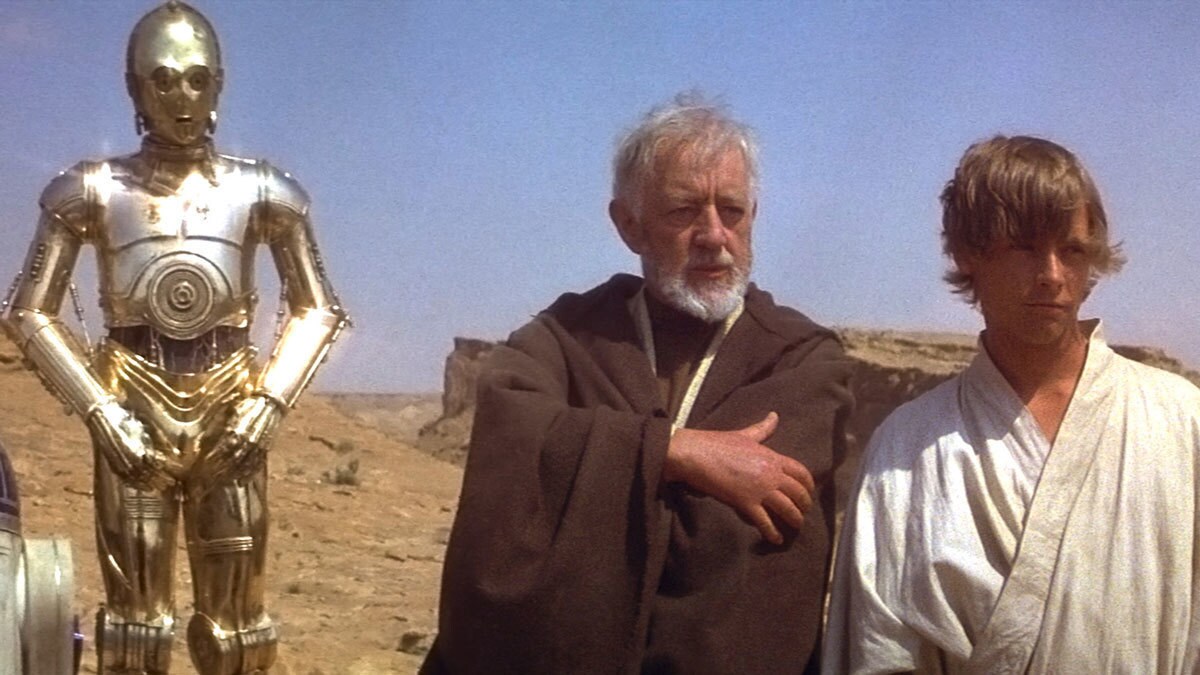
The Jedi Code is basically a fancy way of saying, “We don’t do feelings here,” like a cosmic self-help mantra cooked up by someone who flunked out of group therapy. The full thing reads like it was scribbled on a temple wall after a bad breakup with the Force:
There is no emotion, there is peace.
There is no ignorance, there is knowledge.
There is no passion, there is serenity.
There is no chaos, there is harmony.
There is no death, there is the Force.
The Jedi Code as commonly cited in Knights of the Old Republic and The Jedi Path: A Manual for Students of the Force (Wallace, 2010) (You know, the one they recite while ignoring their feelings and blaming the Force for their own choices.)
On the surface, sure—it sounds poetic. But let’s translate it into plain Galactic Basic: “Shut down your feelings, suppress your instincts, don’t question anything, and when you die, don’t worry, you’re just Force dust now.” It’s giving cult. It’s giving “please detach from your humanity and join our emotionally repressed space monastery.”
The problem is that the Jedi treat any strong emotion as a slippery slope to villainy. Anger? Dangerous. Love? Forbidden. Grief? That’s on you, buddy. This all-or-nothing mindset is not only hypocritical (see: their repeated use of violence in the name of peace), it’s emotionally unsustainable. You can’t train a child soldier for years, deny them all forms of connection, and then expect them to be emotionally stable when their mom dies or their clone brethren start executing Order 66. It’s setting people up to fail; especially kids who were never given the tools to process anything beyond “breathe and pretend it doesn’t hurt.” Also, let’s not pretend the Jedi follow this code consistently. Obi-Wan stayed creeping around with Satine Kryze. Ki-Adi-Mundi had a whole family because his species was endangered. My mans had FOUR wives and seven daughters all in the name of procreation. So emotions and clappin’ cheeks are okay… if you have the right excuse? That’s not a moral stance, that’s selective enforcement; and it reeks of the same double standards that show up in institutions with unchecked power.
By treating emotion as weakness, the Jedi created a culture where people are praised for obedience and punished for vulnerability. It’s no wonder so many of their most powerful members either left or turned on them. The Force isn’t the problem; the Jedi’s toxic relationship with it is.
Attachment is Forbidden, But Kidnapping Kids is Fine?
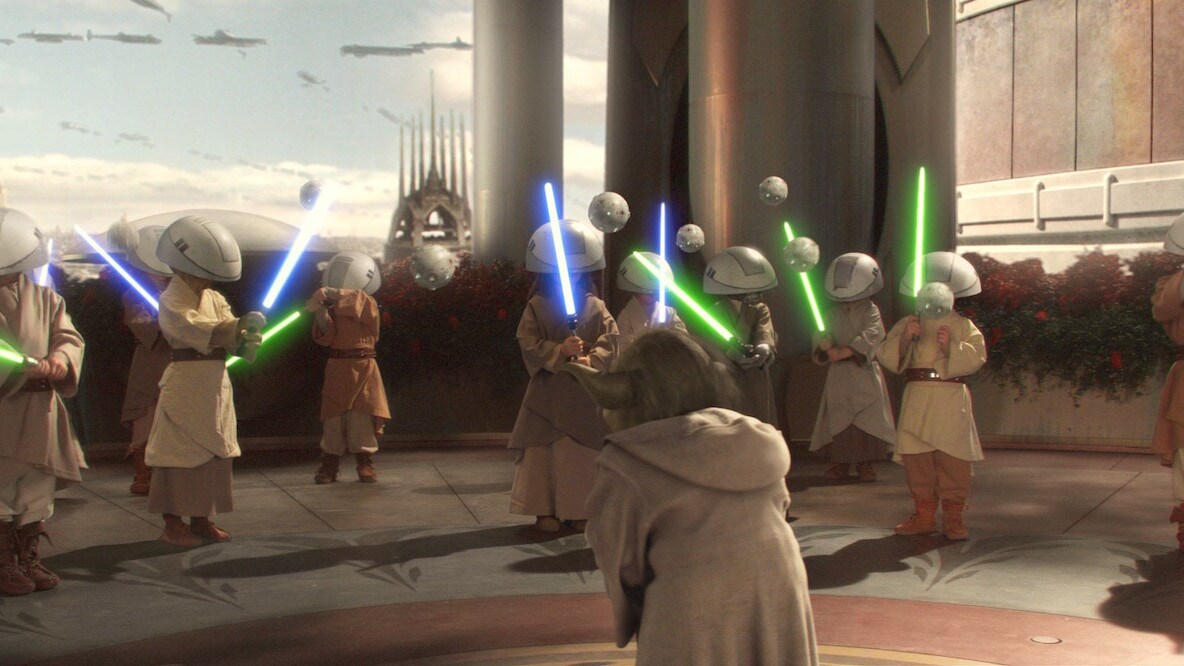
Let’s talk about how the Jedi love to play moral police about “attachments,” but think it’s totally chill to scoop toddlers up from their families and rename them like rescue pets. Make it make sense.
From a young age, sometimes a baby age, the Jedi identify Force-sensitive children, convince the parents (or pressure them, depending on the era), and whisk the kids away to the Temple. Anakin was considered “too old” at nine; meanwhile, Grogu is pushing fifty, still babbling, and they’re like, “He’s got potential.” The rules are vibes-based; not justice-based. And once those kids are in, that’s it. No more contact with home. No visits. No hugs. You’re expected to just let go of the people who loved you first. The Order claims it’s to prevent fear of loss; what they actually create is a cohort of emotionally repressed people with abandonment issues and no framework for how to love without shame. How is that healthier?
Yet they treat attachment like it’s a gateway drug to evil. “Once you care, you’ll crave. Once you crave, you’ll control. And next thing you know, you’re force choking your boss and setting fire to the Jedi Temple.” That’s the logic. But here’s the thing: love doesn’t corrupt people; fear, loss, and institutional neglect do. You can’t hand a kid a lightsaber, teach them to cut people in half for justice, then tell them that crying over their mom’s death is a dangerous path. Anakin’s spiral didn’t start with love. It started with a system that told him not to feel anything, even when everything was falling apart. That’s not emotional strength; it’s emotional starvation.
Let’s also address how the Jedi use “non-attachment” as a one-size-fits-all excuse to avoid accountability. When one of their own breaks down, they don’t ask what support they lacked. They just label them fallen, brush off their own role in it, and move on. No reconciliation. No reflection. Just ghosted, both literally and metaphorically.
So yes, maybe loving someone isn’t the problem. Maybe it’s being told that love is wrong, un-Jedi-like, and punishable by exile or worse. That seems way more dangerous than a few hugs.
Elitism in a Galaxy Far, Far Away
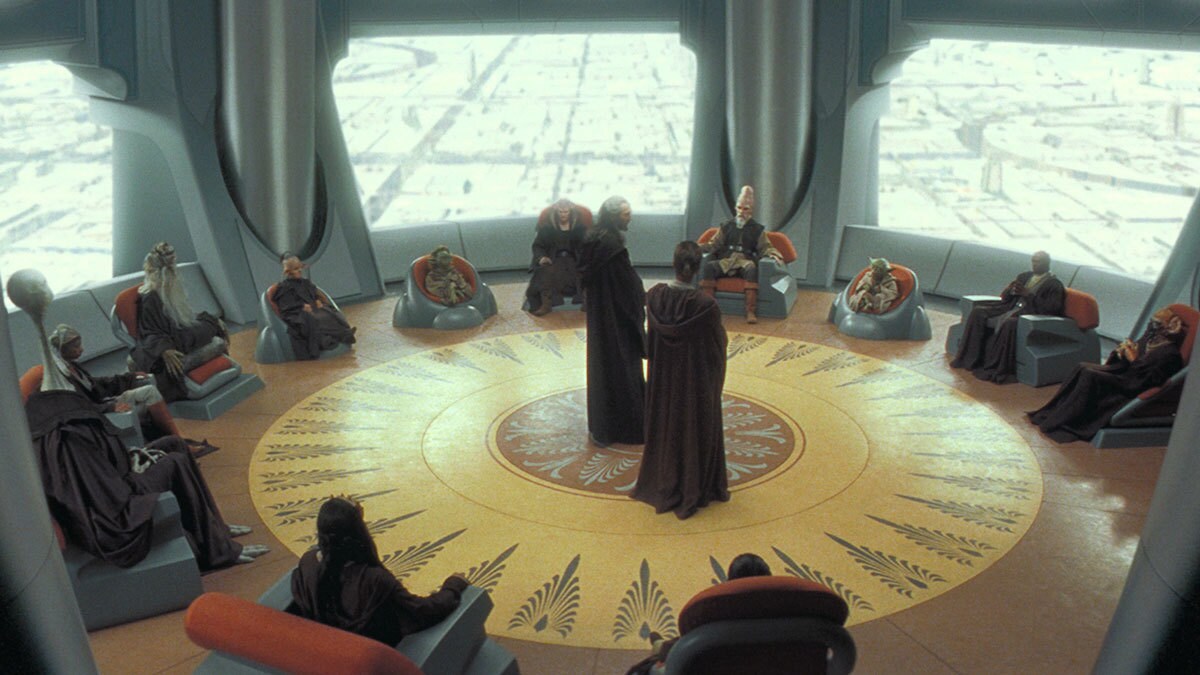
The Jedi love to talk about peace and equality, but let’s be real; the Order is basically a gatekeeping academy for Force users with the right background, connections, or midichlorian count. It’s Hogwarts, but with more emotional trauma and way less accountability.
You want to be a Jedi? First, you better be born Force-sensitive. Then, you need to get discovered by the Jedi recruiters; who only visit certain planets, by the way; mostly Core Worlds and places the Republic actually cares about. Outer Rim kids? Good luck. Unless your planet’s in crisis or you’re prophesied to “bring balance,” the Jedi are not coming for
you. The system isn’t just selective; it’s systemic.
And even if you do get in, you’d better fit the mold. Speak your mind too much? Question a Master? Develop feelings? You’re on thin ice. The Jedi don’t train people to think; they train them to conform. That’s why so many who didn’t fit the mold, like Anakin, Ahsoka, even Dooku either walked or snapped.
Their whole structure reinforces power at the top; a handful of Jedi Masters on the High Council get the final say on everything, from who gets trained to who gets exiled. It’s a rigid, top-down hierarchy disguised as spiritual enlightenment. And it’s worth noting who doesn’t usually end up on the Council: folks from marginalized species, outspoken Padawans, anyone who challenges the narrative.
Let’s not forget the Jedi’s attitude toward clones and droids. They’re quick to order clones into battle, to treat them like extensions of the Republic war machine, but rarely advocate for their rights or individuality. The clones have names for each other; the Jedi often stick with numbers. The Order prides itself on compassion; yet never once pauses to ask if their clone army wants to die for a war the Jedi helped escalate.
Even the way they speak about the Force is elitist. The Jedi talk like they’re the only ones who understand it; anyone who uses it differently, like the Nightsisters, Force-sensitive outlaws, or even Gray Jedi, is considered dangerous or “corrupted.” They claim to protect the galaxy, but only if you agree with their definition of protection.
In short: it’s not just a code, it’s a club. And not everyone is invited.
They Let Anakin Burn: How the Jedi Made Darth Vader
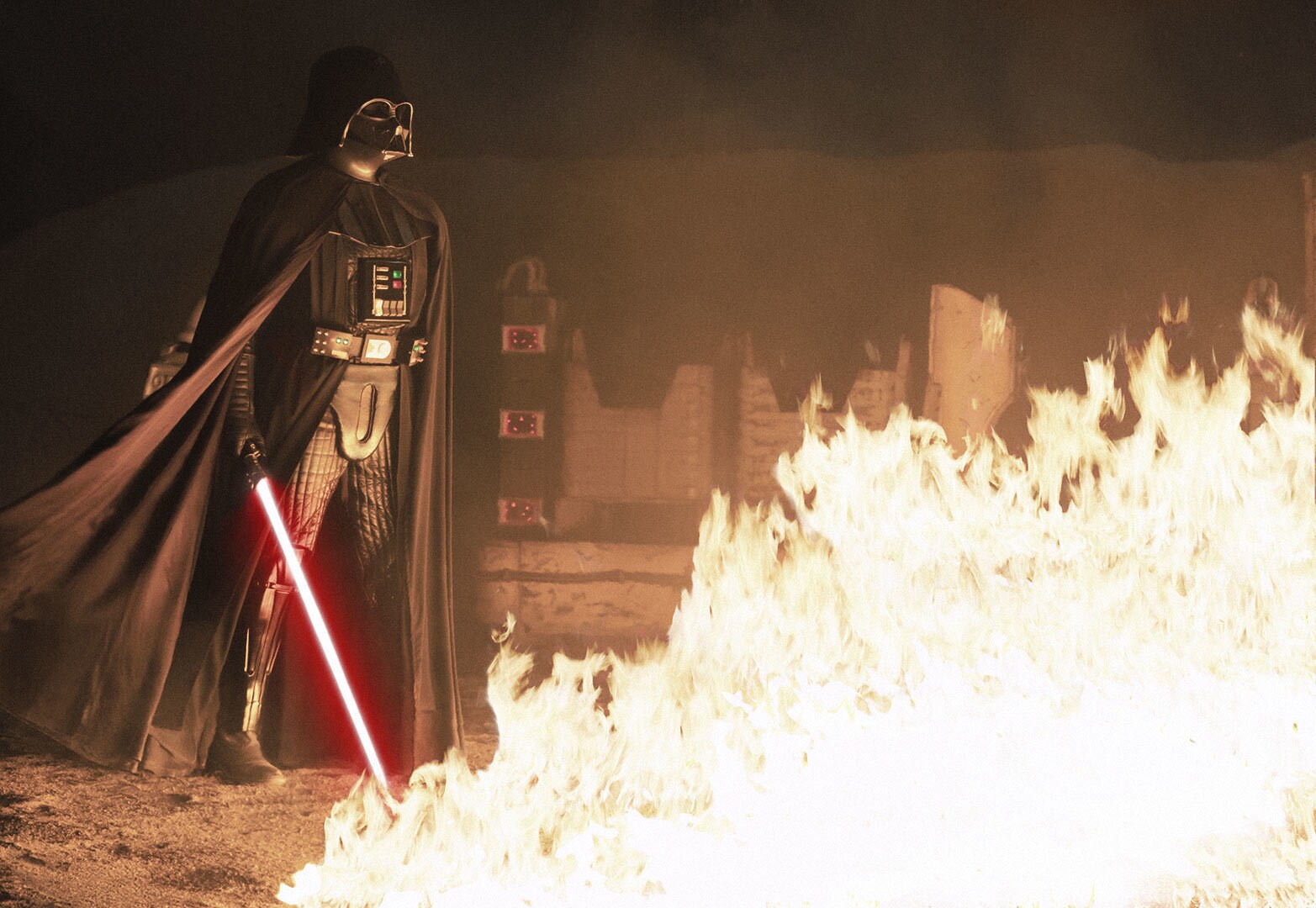
Anakin Skywalker didn’t just fall to the dark side; he was pushed slowly, systematically, and with alarming indifference. The Jedi saw the red flags; they just chose to ignore them because he was powerful. And when he finally broke, they acted shocked as if they hadn’t watched him unravel in real time.
From the beginning, Anakin was a walking contradiction. He was too old, too emotional, too attached. But they trained him anyway because he was “the Chosen One.” Instead of adjusting their methods to meet his needs, they forced him through the same one-size-fits- all training system that had already failed plenty of others. Anakin was grieving, angry, and traumatized by years of war; their response was to tell him to meditate more.
They didn’t trust him, but they needed him. They gave him status without support; power without peace. The Council made him a General in a war he didn’t ask for, then denied him the rank of Master. They expected loyalty while offering him no real sense of belonging. And the one person who ever made him feel grounded—Padmé—was someone he had to hide. That isn’t discipline; it’s emotional isolation disguised as structure.
When he started slipping into paranoia, grief, and desperation, they didn’t offer help. They gave him surveillance assignments. The Council sent him to spy, handed him contradictory orders, and then acted betrayed when he followed one over the other. Palpatine didn’t need to manipulate him much; the Jedi had already done most of the work. All the Sith Lord had to do was pay attention.
And when Anakin finally broke, Obi-Wan—his mentor, brother, and arguably his last chance at redemption—left him to die in agony on Mustafar. No attempt to save him, no final plea for healing; just sorrow, guilt, and then abandonment. That’s what the Jedi called compassion?
Anakin didn’t turn because he was evil. He turned because the people who were supposed to guide him chose rules over relationship; protocol over empathy. They told him to bury his fear, his grief, and his love. And then they condemned him when it all came boiling over.
And they still had the nerve to blame it all on him.

Ahsoka Deserved Better
Ahsoka Tano is proof that the Jedi Order will throw you away the moment you become inconvenient. She was loyal; she was skilled; she was a literal child soldier leading battalions into war. But the second she was framed for a crime she didn’t commit, the Order didn’t defend her; they distanced themselves.
Let’s rewind. Ahsoka is falsely accused of bombing the Jedi Temple. Instead of investigating with empathy or, you know, standing beside their own Padawan, the Jedi strip her of her rank, hand her over to the Republic courts, and call it “objectivity.” It wasn’t objectivity; it was cowardice pretending to be protocol.
When the real culprit is revealed, the Jedi Council casually invites her back like nothing happened. No apology, no accountability, just a smug “you passed the test of true Jedi-ness” speech, like her suffering was some kind of spiritual SAT. She, rightfully, says no. Because at some point, you stop waiting for people to do right by you; you start doing right by yourself.
Ahsoka’s entire arc is what happens when a young person finally sees the institution they believed in for what it truly is. She still believes in helping people; she still follows the light side of the Force. But she understands that the Jedi Code is not the only path to righteousness. That realization makes her more Jedi than half the Council ever was. The audience saw it too. Watching The Clone Wars, you feel her heartbreak when Anakin tries to get her to stay. You feel his devastation when she walks away. But even more than that, you feel the silence of the Council, their refusal to acknowledge the damage, and you realize this isn’t peacekeeping. It’s institutional betrayal.
Ahsoka walked away not because she was lost, but because she found clarity. She looked at the Order that raised her and said, “You don’t get to define me anymore.” That kind of growth? The Jedi wouldn’t recognize it even if Yoda meditated on it for 900 years.
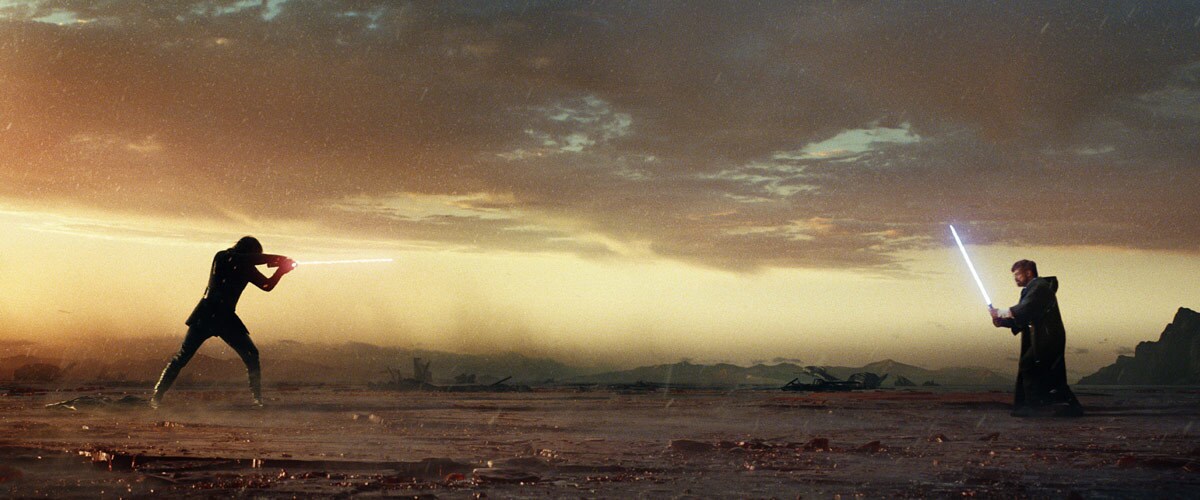
Ben Solo: A Case Study in Generational Jedi Failure
Ben Solo wasn’t born broken. He was born into legacy—Leia Organa, Han Solo, and the lingering shadow of Darth Vader. That’s a lot for one person to carry; it’s even worse when the people around you decide not to talk about any of it.
Instead of acknowledging the trauma in his bloodline, instead of helping him understand and process it, the adults in Ben’s life opted for avoidance. Leia sent him to Luke to train; Luke took on the role of mentor while quietly panicking about what Ben might become. And when Ben finally cracked under that pressure, Luke’s reaction wasn’t support; it was fear. A moment of doubt, a spark of terror, and suddenly Luke was standing over his sleeping nephew with a lightsaber. There’s no coming back from that.
The Jedi ideology failed Ben before he ever had a chance. He was raised with high expectations and low emotional support; given power without trust; lineage without love. Luke may have rejected the dogma of the old Jedi Order on paper, but when it came to Ben, he replicated the same mistakes. He didn’t meet Ben with empathy or honesty; he met him with secrecy and surveillance.
And then, when Ben disappeared and became Kylo Ren, everyone acted like it came out of nowhere. But it didn’t. He was abandoned, feared, and ultimately betrayed by the people who were supposed to protect him. Just like Anakin.
Kylo Ren’s arc is the result of generational wounds left untreated. The Jedi Order never learned how to help people live with the Force. They only taught people how to suppress, obey, and detach. Ben tried to carry it all—the light, the dark, the legacy, the expectations—and collapsed under the weight.
By the time Rey reaches him, Ben is consumed with grief and rage, but still searching for meaning. It takes connection to reach him; not the Force, not the Jedi, but a real human bond. Leia’s final act is not to preach or fight; it’s to simply reach out with love. And that is what breaks the cycle.
Imagine what would’ve happened if the Jedi had done that in the beginning.

The Jedi Industrial Complex
The Jedi loved to say they were peacekeepers, not soldiers; they said it often and with straight faces while riding into battle at the head of clone armies. During the Clone Wars, they went from spiritual guides to military generals without hesitation. They claimed to be reluctant participants; meanwhile, they were naming operations, commanding troops, and leading war strategy. If it walks like a warlord and talks like a warlord, maybe it isn’t just a monk in a robe.
Their integration into the war effort corrupted everything they claimed to stand for. They trained younglings while strategizing troop movements. They preached detachment while forming military alliances. They told themselves they were maintaining balance, but what they really did was sell their principles for proximity to power.
You can’t preach peace while piloting a starfighter into a siege. You can’t claim neutrality when you’re endorsing the military decisions of a galactic superpower. And you definitely can’t pretend to be surprised when the institution you aligned yourself with decides it no longer needs you.
The Jedi stopped being peacekeepers and became instruments of the Republic’s agenda. They lost their autonomy, their discernment, and their ability to tell when they were being used. By the time Palpatine turned on them, it wasn’t a betrayal; it was the final move in a long game the Jedi refused to admit they were part of.
And all the while, the clones, living beings bred for obedience, died in the thousands for a Republic that saw them as tools. The Jedi, for all their talk of compassion and unity, rarely questioned the ethics of leading an enslaved army into battle. They thanked them for their service, but they never fought to free them from that service.
Palpatine didn’t have to corrupt the Jedi from the outside; they were already unraveling from within. The Order had forgotten who they were, and the galaxy paid the price.
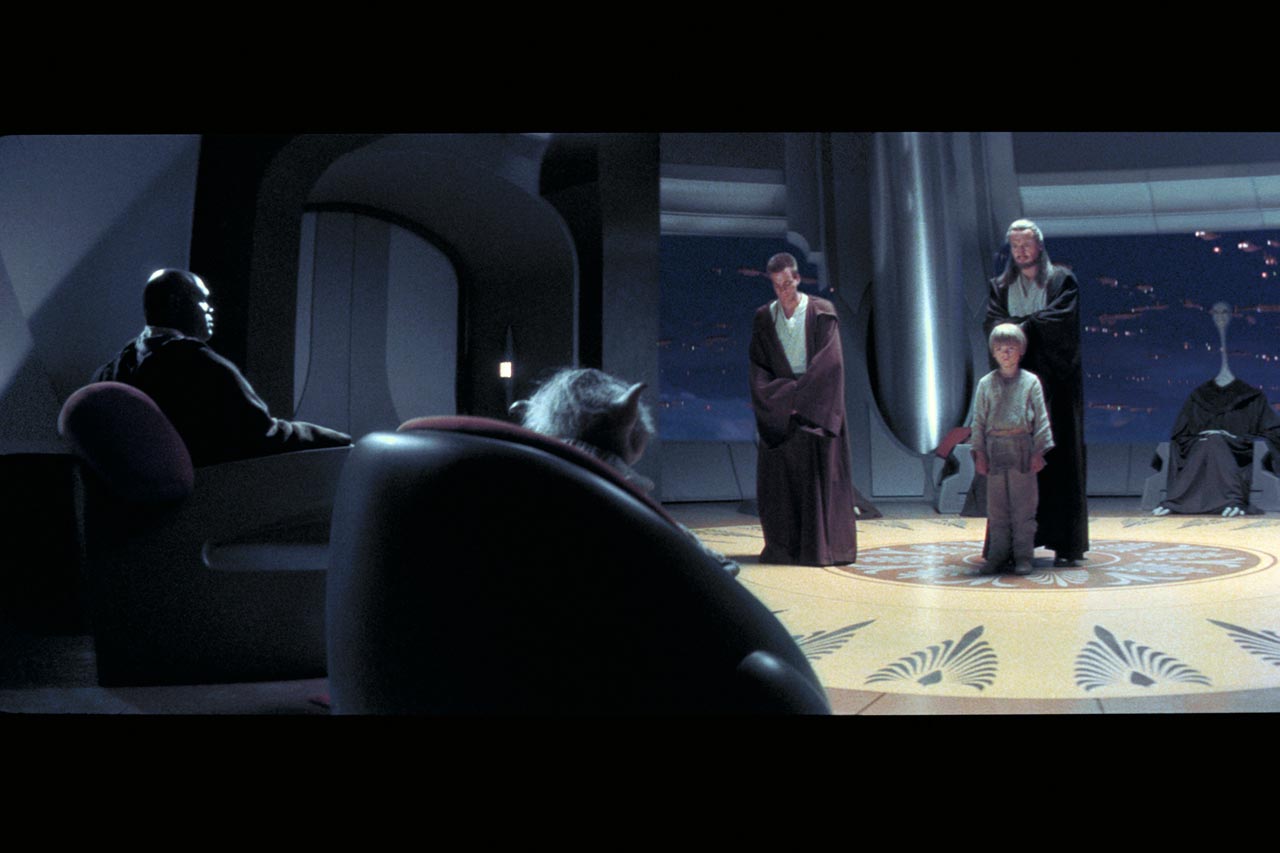
Basically: There is No Peace, Only Repression
The Jedi weren’t evil; that’s what makes it worse. They believed they were doing the right thing. They believed detachment was clarity. They believed control was peace. But belief isn’t enough when your actions betray your values. And in the end, the Jedi Order collapsed under the weight of its own hypocrisy.
They ignored trauma, punished emotion, and enforced loyalty without love. They erased individuality in the name of harmony. They trained generations to suppress everything human about themselves, and then acted surprised when those same people broke apart.
The fall of the Jedi wasn’t a tragedy of betrayal; it was a failure of self-awareness. They built a rigid system, refused to change, and labeled anyone who questioned it a threat. They created Darth Vader. They alienated Ahsoka. They failed Ben Solo. And still, fans act like they were shining beacons of moral purity.
This isn’t about hating the Jedi. It’s about holding them accountable. About recognizing that just because someone has a lightsaber and a motto doesn’t mean they’re the hero. Sometimes the people who talk the most about peace are the ones least willing to do the work that peace requires.
In the end, maybe the Jedi didn’t fall because of the Sith. Maybe they fell because they became exactly what they feared—so focused on order that they forgot how to care.
Cover image via StarWars.com
Want to get Black Nerd Problems updates sent directly to you? Sign up here! Follow us on BlueSky, Twitter, Facebook, YouTube, Twitch, and Instagram!
The post The Jedi Code is Just Gaslighting in Fancy Robes: Revenge of the Receipts appeared first on Black Nerd Problems.
Fountain of Youth is a new action-adventure from Apple TV+ with the makings of National Treasure, The Mummy, and Indiana Jones all together. The potential for a solid adventure film was there, and the cast was remarkable. Honestly, what could go wrong?
The film had John Krasinski (The Office, Jack Ryan), Natalie Portman (Black Swan, V for Vendetta), Domhnall Gleeson (Star Wars, Harry Potter), Laz Alonzo (The Boys, Power Book II: Ghost), Carmen Ejogo (Selma, Fantastic Beasts), Eiza González (3 Body Problem, Baby Driver), Stanley Tucci! (First Avenger, Lovely Bones). All under the direction of Guy Ritchie (Sherlock Holmes, Snatch). Well, this film feels like the 2nd cousin to the disjointed sequels of the aforementioned films. I’m saying National Treasure 2, The Scorpion King 2, and Indiana Jones, the one where there were aliens for some reason. It only had potential. SPOILERS BELOW – but really it doesn’t matter, you could read this and watch it and still have a unique experience.
Adventure Awaits
I fancy myself an action-adventure film connoisseur. I have seen all of The Mummy movies, was raised on Indiana Jones, Jurassic Park; I even dabble in the romantics like Romancing the Stone. I love the original Jumanji and the reboots. My favorite films of all time are The Lord of the Rings trilogy. Needless to say, adventure films are not made to be critically acclaimed (although some really are). They are made to excite and create a childlike sense of wonder, laughter, and imagination. Fountain of Youth had all of the structure, but it lacked the contents. Here’s why and some of my Black Nerd Problems to boot.

The film stars John Krasinski playing Luke Purdue (yes, like the chicken company – although there is no relation in this film, I don’t think…). Luke is in Thailand running from what seems to be thugs who are upset Luke has stolen their boss’ painting. We continue to see Luke on a Vespa evading these gangsters in a crowded Thai city center. Right off the bat, a classic adventure beginning. Unfortunately, the film continues to use an outline of an adventure film and forgets to fill in the very crucial foundational (hehe) elements, like character development and plot.
“Life is either a daring adventure or nothing” – Helen Keller
Luke gets away with his stolen item and cut to we are at the World Museum in Liverpool, where we meet Luke’s sister Charlotte Purdue, played by the talented Natalie Portman (Jane Foster in Thor). We find out right away that they have not spoken in quite some time. I believe a year or two. They have a witty banter that you have to get used to, which I was never able to get used to. While the two actors have a fun chemistry, the writing feels a bit forced. With a lack of a really strong backstory, you are not invited into the banter with them. The only thing we really know is that their father was an adventurer, and Luke and Charlotte followed in his footsteps until Charlotte stopped because she had a kid. We don’t know much about this father, no name, no face, no purpose. Luke harps on the fact that Charlotte, I guess, betrayed herself by becoming a boring curator at THE WORLD MUSEUM in Liverpool. Maybe it’s just me, but she seems fine.

Their witty banter never stops, it happens in every single scene, and this will she, won’t she join the team also continues while she is fully on the team. This team consists of Luke – the leader and thief. Then Patrick Murphy, played by The Boys’ Laz Alonso, who seems to be comms?? Carmen Ejogo (Seraphina Picquery in Fantastic Beasts), who is the gadgets gal, I believe—finally, the whole operation is bankrolled by the billionaire business mogul Owen Carver, played by Domnhall Gleeson (General Hux in Star Wars, ). Owen is terminally ill and seeking the Fountain of Youth to heal himself.
As the “plot” continues, it holds onto just the idea of this fountain. The folklore is so mysterious, actually too mysterious. As the lore unfolds, we meet Esme, played by Eiza González (Auggie Salazar in 3 Body Problem). Esme is behind the Purdue team at every step, trying to thwart their mission. She is revealed as an ancestral protector of these ancient mystical relics (whatever they are we’re not really told). She simply wants them to stop searching. She, of course, ends up being the swashbuckling romantic interest, but in a playful cat-and-mouse way. We don’t get much more about her or her lineage. She is the desert protector as seen in The Mummy.

Escape the Ordinary
The film is terribly predictable. I mean, I figured out the film from the first two scenes. Each Act is a copy and paste of the previous Act. We find a clue, we travel to the next spot, witty banter. Rinse and repeat. The writing is topical, the actors are doing their best with what they have. This is the first fun adventure film I’ve seen Krasinski in. It is clear all of the actors are having a blast. It’s a nonsense adventure with little to no stakes, really. You never feel like the “hero” won’t win. Which brings me to my Black Nerd Problems.
Problem 1: Luke Purdue is a classic American white character who is a criminal. He steals priceless paintings for the thrill of the hunt. He gets away with every crime he commits and fails up so fast and so far that he’s looked at as the righteous one. It’s confusing because you are not sure why you’re being led to agree with him. His sister points these things out, but then does the same things, and it’s supposed to be their family dynamic. Don’t get me wrong, this follows the average adventure film tropes, but because you are not invested in the plot, characters, or the hunt, you don’t feel like you can let him off the hook.
Problem 2: In the story, the clues to the location of the Fountain of Youth are embedded in only European artifacts like Rembrandt paintings and the Bible… BUT it leads everyone to Giza in Africa… If we are sticking with the history of colonization, I guess it’s accurate that European countries would try to lead more people to steal things that don’t belong to them. But if we can make a movie about anything – why don’t we do something different?

Problem 3: Every BIPOC character was ancillary. Patrick Murphy (Laz Alonso) is literally told to wait outside at every location, which would be fine if he were the guy in the chair. Half the time, he just throws earpieces at them and waits in the car. I love Laz Alonso; he could have had such a stronger role. It wasn’t even explained what he does for the team. It’s inferred that he does comms because he’s always at a computer and being the lookout. The same goes for Carmen Ejogo’s character, Deb McCall. The only time we see her in action is at the Austrian Library in Vienna, where she fashions a precise explosive to assist in their escape. In Egypt, both Deb and Patrick are left sitting outside the pyramid, waiting to see how everything pans out. They were involved in a firefight, which I don’t even think they, as characters, knew why. It feels like their scenes were either heavily cut or the writers had no idea what to do with them.
All in all, I’ve heard reviewers call it “paint by numbers” (Variety), and that is spot on. It feels almost like Guy Ritchie’s attempt at an American adventure movie, which only includes white American tropes as its roadmap.
“Not All Who Wander Are Lost” – J.R.R. Tolkien
The best moment of the movie is 30 minutes of the last act. Our adventurers reach the hidden catacombs underneath the pyramids of Giza. Our young adventurer, Charlotte Purdue’s son, Thomas, played by Benjamin Chivers (Eugene I in Napoleon), is a musical genius who solves their “uncrackable” puzzles on several occasions. In the pyramid, Thomas unlocks the entrance to the fountain with his musical ingenuity and the rhythmic sounds of steel drums. Chivers does a wonderful job. His character felt nuanced and fleshed out, even with his minute screen time. I was fully invested in Thomas.
The pyramid scene was clever, moving, and deeply intriguing. It was shot well and hooked me from the moment they entered the tomb. That scene should have been the crux of the whole movie. The story should be rooted in the lore, the characters – scoundrels but misunderstood and redeeming at their core, all because of the undeniable ancient powers of the item. Fountain of Youth did all of this on the surface, but never had any real weight.

The formula for these films is important, but madlibbing through it is not how you make a classic adventure film. I am all for reinventing the genre. I truly hope the next generation gets to grow up on the thrilling adventure films that ignite exploration, imagination, and an appreciation for the cultural importance of our ancestors. I give it a 5.5 out of 10. This one might be flashy and excite you with its magnificent locations, but I don’t think it’s the resurgence of the National Treasure, Indiana Jones-esque films we’re looking for.
Want to get Black Nerd Problems updates sent directly to you? Sign up here! Follow us on BlueSky, Twitter, Facebook, YouTube, Twitch, and Instagram!
The post Review: ‘Fountain of Youth’ Needs More Rejuvenation appeared first on Black Nerd Problems.