
deerstalker
https://blackgirlnerds.com/the-cast-and-crew-of-party-down-discuss-beyonces-cuff-it/
BGN interviews the cast and crew of the STARZ original comedy Party Down.
Featured in the interviews are: Ken Marino (Ronald), Jane Lynch (Constance), Tyrel Jackson Williams (Sackson), Zoë Chao (Lucy),Ryan Hansen (Kyle), Martin Starr (Roman) and John Enbom (Creator).
Ten years later, most of the Party Down catering team have moved on, including actor/bartender Henry Pollard (Adam Scott, Severance, Parks and Recreation). After a surprise reunion, the gang find themselves once again stoically enduring the procession of random parties and oddball guests all over Los Angeles.
Interviewer: Jeandra LeBeauf
Video Editor: Jamie Broadnax
Season 3 of Party Down premieres Feb 24th on STARZ.
A couple years ago, I lamented over the fact that a younger version of me had dedicated to romancing Ashley Williams in Mass Effects, and just to catch you up on why this was such a regrettable decision, I have a short nine word story for you if you don’t want to read the full article.
She’s a space racist. A spracist if you will.
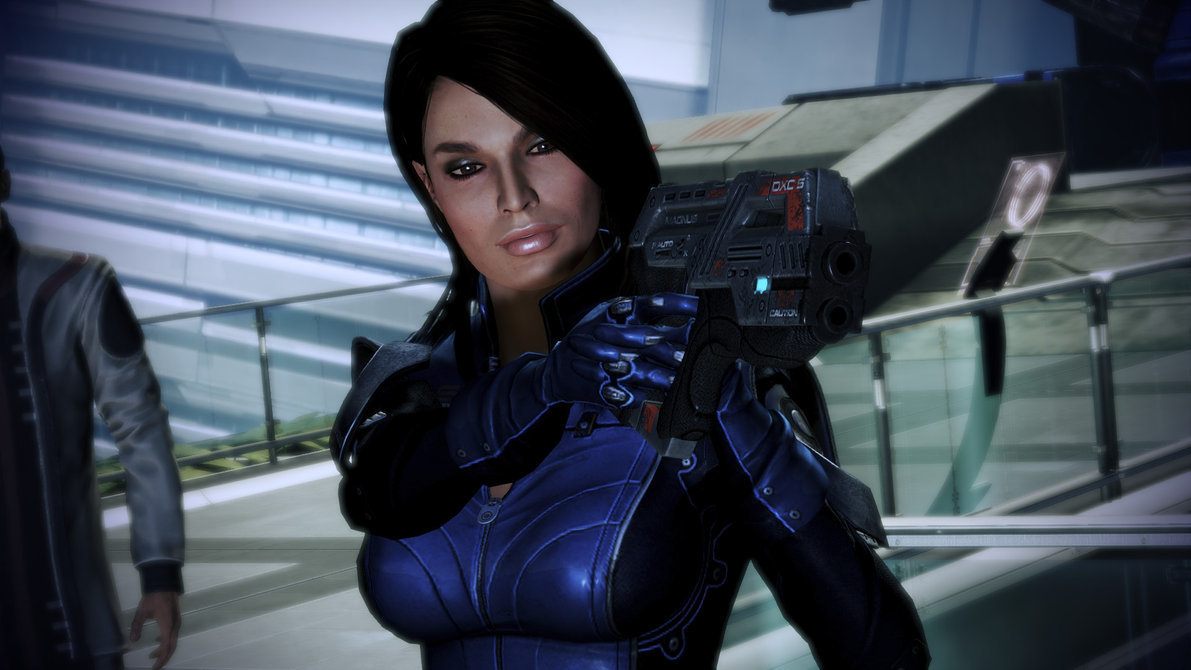
And as we approach Valentine’s Day, it’s time to approach the other in-game romantic paths I have walked down, so join me as we pivot to the great regrets in my video game romancing. Some perhaps deserving of mockery and some, just reflections about personal growth.
Everything About the Emily is Away Franchise
This one may be a little disingenuous since the point of these text-based visual novels is to explore the human condition within in the context of social media. Ultimately, all three games play out in a series of binary paths that only have so much variation and inevitable conclusions at the end of it (although variance becomes much more pronounced in Emily is Away Too and Emily is Away <3).
Emily is Away is conducted through an AIM style chat box as you converse with the titular Emily. As a child of the 90s whose first and only AIM account was made for them (shout to mikkelroxdaparty), this was immediately evocative of an older, slightly simpler time, and I tried my best to navigate the fictitious relationship. The highs, the lows, the awkward conversations, and the ultimately doomed final farewell where, even as I was breaking, my character responded coldly. In the end, all the journey ultimately resulted in a singular bitter end.

Emily is Away Too, which continued the AIM styled mechanics this time added two romantic interests, and Emily is Away <3, which took place on Facenook, featured more choice. Each play through of the game I found myself constantly struggling between being true to myself, true to the actions of the fictitious avatar I was inhabited, and perhaps mentally trying to find a different route, a better opportunity.
The games are wonderful, but emotionally draining and even knowing that there are other realities, other timelines where things work out, it’s a little scary (if not a little silly) that I’ve been nervous to return to the games. However, that type of vulnerability is something special and maybe I’ll remedy this one in the future.
When Social Links Become Social Chains
Dating’s hard, and it’s only become harder during the last couple years between all of the different dating apps and also relearning how to socialize after differing degrees of isolationism brought on a multitude of factors. Dating has always been hard largely because it’s hard to know exactly where you stand with someone. There’s no single, viewable metric that allows you to understand exactly where you stand with a person nor is there an explicit option that is presented to you that you literally have no choice but to answer in no uncertain terms to continue (more often not, the explicit option to confess in real life is less defined, more awkward, and is entirely optional).
Of course, this is why the Persona franchise is a nice break from reality. In the same way that Animal Crossing lets you experience homeownership with a stable economy, Persona lets you experience dating with clear progression and a straight explanation of when it’s time to confirm feelings and shit.
I’ve alluded to the Persona 4 Golden situation where Valentine’s Day resulted in the heart wrenching parade of watching all of the other love interests completely devastated that I wasn’t going to spend the most romantic day of the year with them This was further compounded with Rise who I had been spending time with being the last one before my “preferred” date with Chie happen and I felt terrible.
But that was nothing compared to the specifically designed scenario in Persona 5 Royal where all of the romance lines show up at once and beat you up.
The screenshot is self-explanatory. I will be taking further questions (yes, I really should have known better).
Romancing Anyone in Mass Effect: Andromeda
To bring all of this full circle, truly one of the more baffling decisions I’ve ever made during a game was romancing anyone at all in Mass Effect: Andromeda.
Andromeda was not a bad game. It was a bad Mass Effect game, but the core combat loop with primers and detonators was cool, some of the set pieces were memorable, and the movement was enough to keep things entertaining through the main campaign. However, the hallmark of Mass Effect franchise that we like to remember was the strong throughline writing and the bonds we formed with our crewmates.
Joker, EDI, Wrex, Grunt, Tali, Garrus, Legion, Liara, Thane, Kasumi, Mordin. So many of the characters in the original trilogy were iconic characters that Shepherd could create meaningful bonds and relationships.
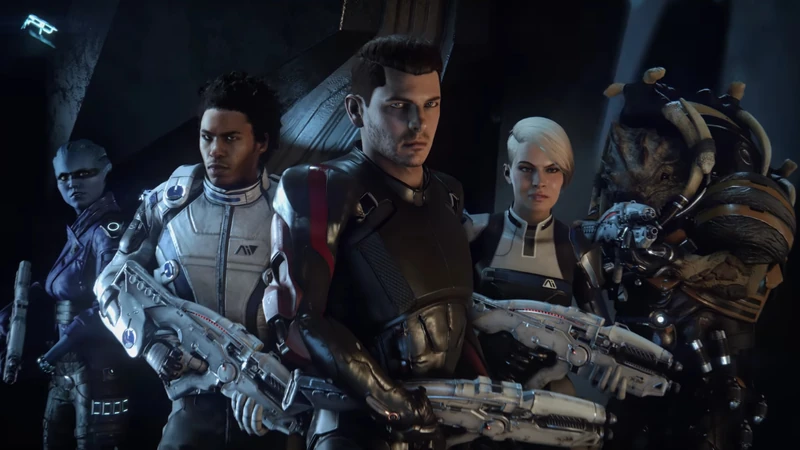
Mass Effect: Andromeda though? I don’t know any of their names. I don’t even know the MCs name. All I know is that at some point, I progressed a whole loyalty mission and ended up romancing/sleeping with the Asari because that felt like the most Mass Effect thing to do, but now it’s just a vague memory and a reminder of how little the characters meant at the time. Truly a regret for the ages, a vague memory of a one-night stand.
Lovelorn in 2023
Two years have passed since the greatest shame meditation that was romancing Ashley Williams. And in the intervening time, I still find myself thinking about the regrets. Perhaps two years down the line, the romantic perspectives will have shifted, and I’ll get to talk about the great joys in video game romances. I cannot think of any at this moment and very much feel like the fact I’m still lingering on past mistakes is indicative of something, but who knows what tomorrow will bring. All I know is that younger me and slightly older younger me made decisions and I recognize them as bad ones, so that’s growth. Or something. Future me can sort it out later.
Want to get Black Nerd Problems updates sent directly to you? Sign up here! Follow us on Twitter, Facebook, Youtube, and Instagram!
The post My Greatest Regrets in Video Game Romances, Part 2 appeared first on Black Nerd Problems.
For the month of February, a month recognized and celebrated for love, I wanted to make a short manga list of manga series serving up the romance that has taken me by surprise! From a shorter series that challenges gender roles in a more positive light to a series that manages to be both an game changer via romance and also be thriller, here’s manga that I’m hoping you’ll want to read past Valentine’s day and beyond. 
My Androgynous Boyfriend
Creator: Tamekou
Publisher: Seven Seas Entertainment
Age Rating: 16+
Available Formats: Digital & Physical
Ongoing or Completed: Ongoing (Three volumes)
Localization Team: Jocelyne Allen (Translator), Laura Heo (Letterer) Lora Gray (Adaptation)
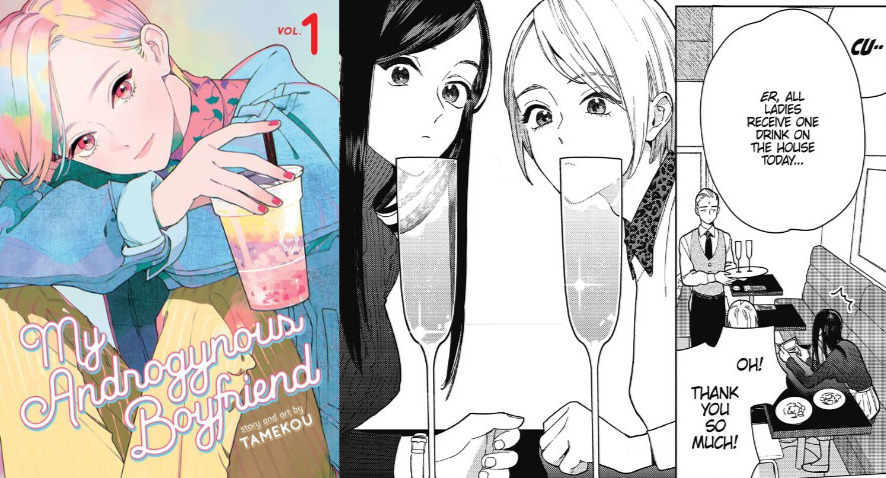
All the important manga folks that I follow online were reading and talking about this series, so I eventually bought the first volume and wanted more. My Androgynous Boyfriend‘s premise is simple: the manga follows the lives of Wako, who works in publishing and Meguru her gorgeous boyfriend who expertly knows much about fashion and makeup—all with the goal of making himself beautiful just for her. I adore the day to day of the life of these two all while seeing their work ethnic when it comes to their careers, their hopes, and dreams and how they love on each other. Add in social media, other people’s expectations, and how to navigate them, this romantic slice-of-life story one is a gem! While the second volume focuses more on Meguru and his recent career change, and less on their relationship as a whole, I loved seeing how the two met originally.
It’s silly and relatable to watch this couple do everything from meet each other’s friends to the more challenging: couch buying for their place! Wako is a character I loved reading as she works in publishing and deals with manga as well! She adds necessary commentary on women and emotional labor in the workforce as an interview she was looking forward to bombs, and she’s basically used as a free therapist. Meguru is equally an interesting character who loves self-expression and helping others look and feel their best. His approach to love and life is definitely a focus in this series. Take the first volume of My Androgynous Boyfriend out on a date if you are looking for an offbeat romance that is about genuinely loving someone, the many relationships we have in our lives, breaking with tradition, and subverting outdated rules that society has about gender!
Recommended for: Fans of the slice of life genre, readers who want short manga series to read, fans of manga that include LGBT+ topics
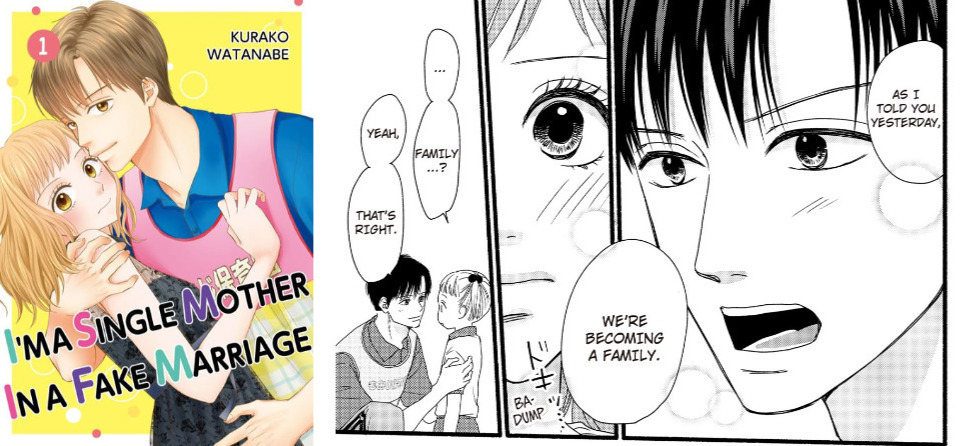
I’m A Single Mother In A Fake Marriage
Creator: KURAKO WATANABE
Publisher: Shusuisha inc.
Age Rating: 16+
Available Formats: Digital
Ongoing or Completed: Ongoing? (Three volumes)
I read the first volume of I’m A Single Mother In A Fake Marriage on a whim and devoured the rest of the series the very same week. Thirty-one-year-old single mother Yuki is doing her best and her daughter Hono is the light of her life. She’s come a long way from escaping a terrible past with an ex-husband who wanted nothing to do with their daughter. Thankfully, Yuki has a small but wonderful support system that includes the principal of her daughter’s pre-school and…her daughter’s handsome kindergarten teacher who happens to be younger than Yuki.
Due to unfortunate circumstances because of the reappearance of her ex, Yuki and Hono end up living with Mr. Ryu, the kind and protective man who stands up for the two. Whew. There’s a great balance of silly moments mixed with the serious and heartwarming ones. I love that Yuki is being developed as more than just a mother, she’s a woman who is falling in love again and trust people again. Also, there’s a lovable drag queen who is one of the best characters, although I’d love to hear from other readers if she’s mostly joke fodder or not. Take the first volume of I’m A Single Mother In A Fake Marriage out on a date if you are looking to be head over heads for a wholesome story about found family and second chances at love!
Recommended for: Fans of the Josei manga genre, readers who love wholesome stories about family, folks who enjoy hidden gems via manga
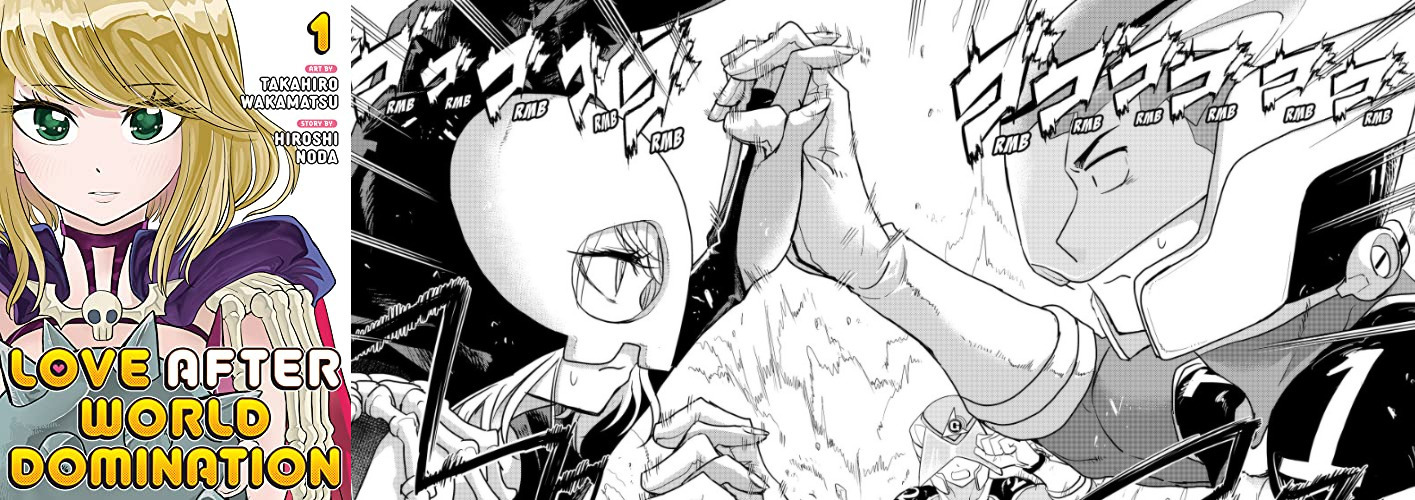
Love After Domination
Creators: Art by Takahiro Wakamatsu, Story by Hiroshi Noda
Publisher: Kodansha
Age Rating: 16+
Available Formats: Digital & Physical
Ongoing or Completed: Ongoing (5 volumes as of February 2023)
Localization Team: Steven LeCroy (Translator), Kyle Ziolko (Letterer), Sarah Tilson (Editing)
Fudo and Desumi could be what you could call star crossed lovers because of who they are and what profession they both hold. No, they aren’t from feuding families, but Fudo Aikawa, A.K.A. Red Gelato of the Gelato Five and hero has fallen for the Reaper Princess. She’s a villianess and member of the shadow organization Gekko by the name of Desumi Magahara! She feels the same! These two idiots are in love yet have no idea how to date and what couples do. Love After Domination is romance with a Shonen vibe, and it’s hilarious to boot! It’s giving forbidden love; however, with two earnest folks who have never been in a relationship before, the story gets more ridiculous and endearing with each chapter. Add in your heroes, shadow organizations with lots of heart, and fun side characters and you have a fun premise that doesn’t disappoint.
The world-building in the series is elaborated on: readers will get to see some of the inner working of the bases of both the heroes and the villains and some of the minor heroes and baddies too. This series is just so much fun for those who like their comedy in manga on the Ecchi side. Oftentimes when love is involved, we are used to hearing that “opposites attract,” and these two go through several obstacles for their love. It is comical to see one of them infiltrate a heavily guarded base of the enemy just to exchange phone numbers cause they haven’t seen each other for a week. It is entertaining to see them change into disguise in the middle of a date while their comrades are fighting around them at a popular location for couples. This is a charming read about two people who think they aren’t cut out for romance and the lengths they’ll go for the one they love, after falling in love for the first time. Take the first volume of Love After Domination out on a date if you are looking to laugh a lot while enjoying an absurd love and romance story with lots of action!
Recommended for: Fans of the comedy, romance and science fiction genres in manga, readers interested in manga adapted into anime, folks who enjoy Shonen flavored stories
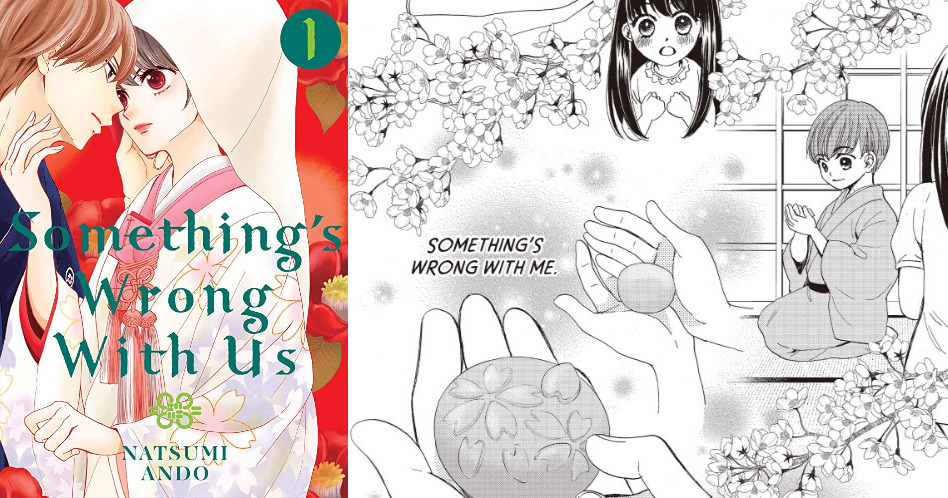
Something’s Wrong With Us
Creator: Natsumi Ando
Publisher: Kodansha
Age Rating: 16+
Available Formats: Digital and Print
Ongoing or Completed: Ongoing (13 volumes as of February 2023)
Localization Team: Sara Matsueda Savage (Translator), Sara Linsley (Letterer), Haruko Hashimoto (Editor)
Following in her mother’s footsteps, Nao has become a traditional Japanese sweets maker, and at 21, she’s about to make waves in the industry. Upon taking a job at a company that will take her far, she meets someone from her past who doesn’t recognize her: the young, handsome owner is Tsubaki, her childhood friend and first crush. He’s also the child who framed Nao’s mother for the murder of his father years ago when the two were children. Soon after he proposes to her, unaware that she’s his childhood friend and the daughter of the woman who brought much tragedy to his life and family. Nao believes him to be the only witness that night and wants answers, revenge, and for vindication of a life lived without her mother. Since Tsubaki has no clue who she is, she seizes her chance to get close to him and perhaps bring him down while finding out clues of what happened that fated night.
Something’s Wrong With Us is simply a game changer in the Shojosei (Shojo-blurring Josei genre) arena. Each volume has thrown me for a loop as the story involves a complicated one with family legacies, deception, and miscommunication…all while falling in love. Take the first volume of Something’s Wrong With Us out on a date if you are looking for a steamy and intriguing love and romance story that is also a thrilling murder mystery that will keep you on your toes.
Recommended for: Fans of the Shojo and Josei manga genres, readers who love thrillers and stories with a psychological lean to them, fans of manga that also revolve around food, traditional Japanese sweets in particular
Love manga? So do we! Check out more manga reviews and related content here!
Want to get Black Nerd Problems updates sent directly to you? Sign up here! Follow us on Twitter, Facebook, Youtube, and Instagram!
The post Surprising Romance Manga for Valentine’s Day and Beyond appeared first on Black Nerd Problems.