
deerstalker
https://www.essence.com/fashion/brandon-blackwood-costume-design-interview/
 A.I.M by Kyle Abraham By Skylar Mitchell ·Updated May 28, 2024
Keerati Jinakunwiphat a dancer and choreographer has been performing with A.I.M by Kyle Abraham, a dance company for nearly a decade. Both she and the eponymous founder studied at Purchase College, State University of New York, finding a mutual love for contemporary dance in different journeys in motion and physicality. Jinakunwiphat’s aptitude for stagebound worldbuilding post-grad was nurtured through A.I.M’s self-reflexive praxis that cultivates the technique and conceptualism of the dancers at the heart of its repertoire.
Collaboration is embedded into the process, and young choreographers like Jinakunwiphat are encouraged to own their sartorial direction with whatever tools heighten the story they seek to tell. So, when Jinakunwiphat visualized her ideal costume design for her latest work, Someday Soon, she tapped Brandon Blackwood to create pieces that would amplify what makes her choreography and the dancers who would perform it so captivating. “We wanted to genuinely represent the themes in the dance piece and how they are parallels to how we tell stories through fashion,” Brandon Blackwood said.
The composition premiered at the start of the new year as part of A.I.M’s latest repertory with performances throughout the spring and summer. The partnership results from a longstanding respect for each party’s work—a connection made all the more meaningful by the members of the dance company’s alumni who have since transitioned into fashion. Imani Simmons, vice president of brand partnerships at Brandon Blackwood studied with A.I.M for a period of time and was versed in the cross-disciplinary parallels between the worlds of design and dance. Hence the meeting of the two companies most recently was seemingly kismet.
 A.I.M by Kyle Abraham
Art, organic creative discovery, and athleticism underpin the foundations of A.I.M’s mission, in part reflecting founder Kyle Abraham’s journey toward dance. In establishing an ethos for his company, which would come to be known for longer performances grounded in a central idea for audiences, he was a product of combined influence. Early in Abraham’s career, he was exposed to the works of Ulysses Dove and the Alvin Ailey American Dance Theater, which built its model performing the work of its founding director but also works from other choreographers.
Abraham studied how this format has been expanded upon in other contemporary collectives such as the Bebe Smith Company or the Ralph Lemon Company and now leads with that same concept of collaborative choreography. Creating and staging new work is as much a meditation on the sport of dance as it is on the curation of history showing audiences where the evolving elements in today’s dance zeitgeist derive from.
“The way that I look at programming I like to think about how best to think about where my influences come from, whether they be someone in the past or someone from the next generation like Keerati Jinakunwiphat,” Abraham notes. Jinakunwiphat has been performing with A.I.M since graduating with her BFA from Purchase College. With the company’s most recent repertory performance, she and Abraham amplify the distinctive tapestry of Black and queer narratives in motion.
The concept for the costumes was established over time, developing in tandem with A.I.M’s rehearsal period. The Brandon Blackwood team worked closely with Jinakunwiphat as she choreographed Someday Soon—her second original work with the company following 2019’s Big Rings (sketches are below by Brandon Blackwood). “I started playing with this idea of flowers,” the artist tells ESSENCE. “I was just in a place in my life where I was trying to really allow myself to accept the love that I was being given, whether it’s in like relationship, success, career, any of those things,” Jinakunwiphat adds.
 Brandon Blackwood
Last winter, Keerati made history as the first Asian American woman commissioned by New York City Ballet to create a new work in the company’s 75-year history. Keerati says that though it was a historic accomplishment, it was also overwhelming. As she processed being on the receiving end of high accolades, she identified how flowers represent the push and pull of validation in her work and personal life.
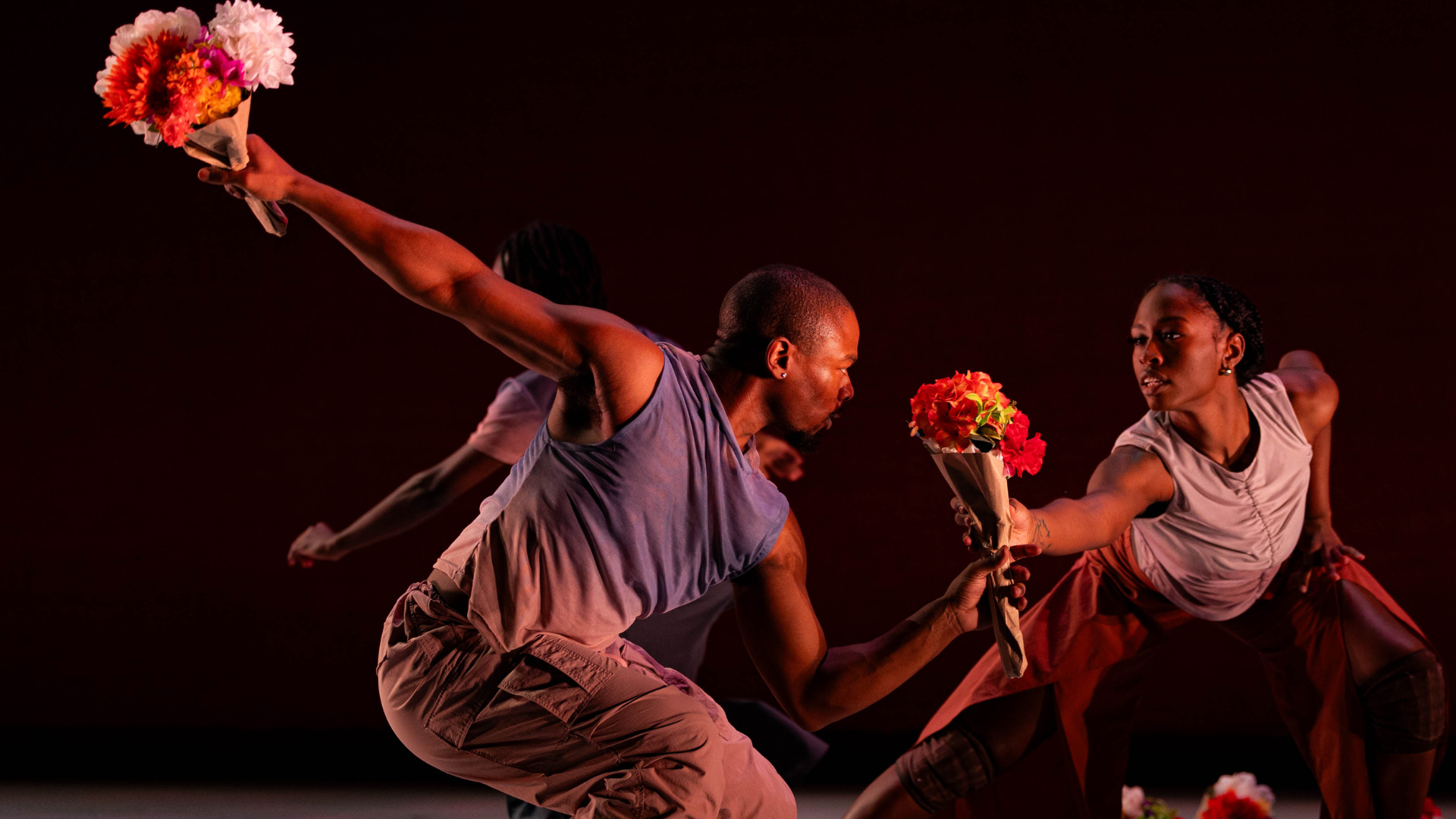
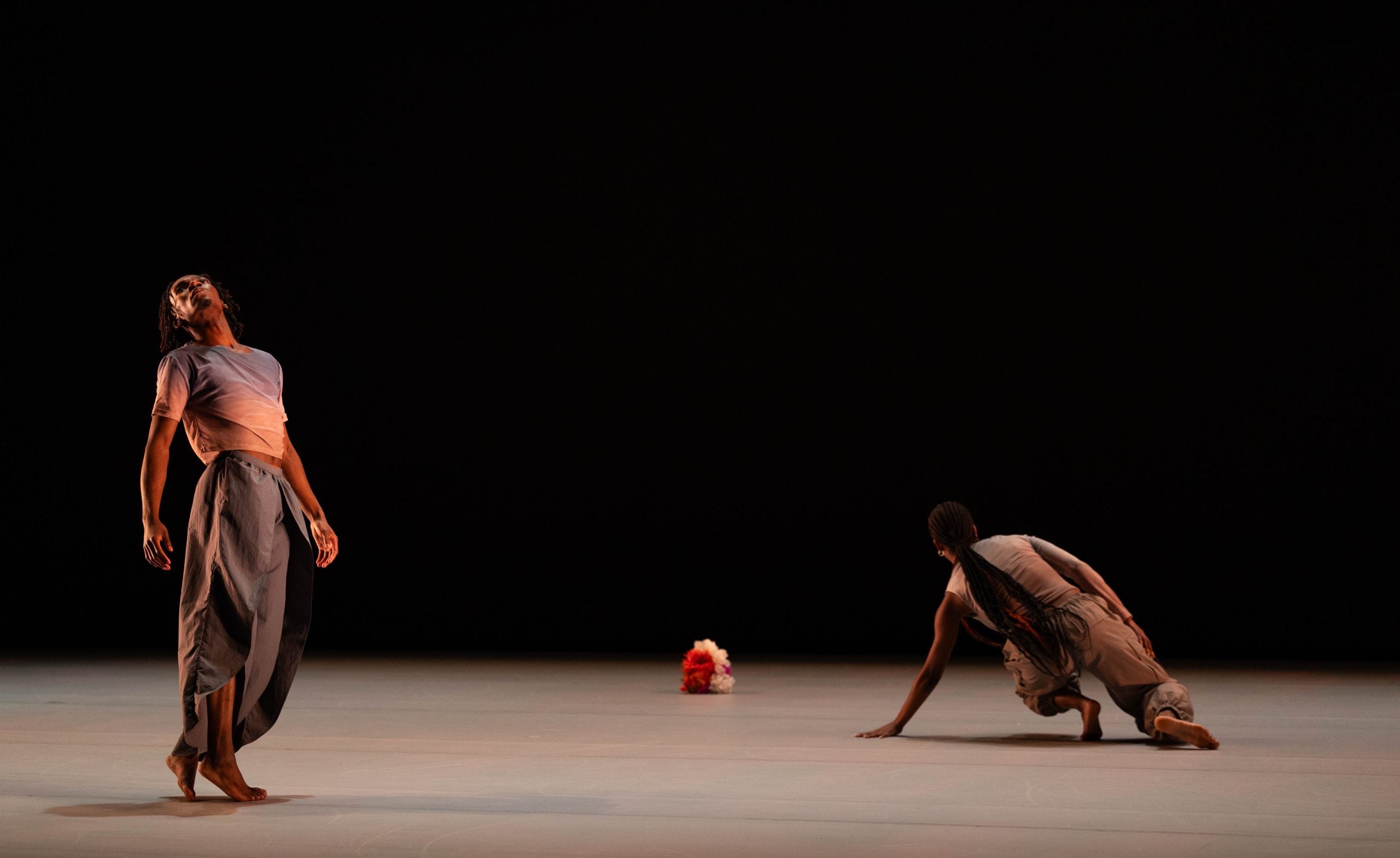
As the curtain rises for the number, two earth-tone-outfitted dancers stand before a gradient backdrop as a bouquet lays downstage. Tyler, the Creator’s explosive “IGOR’S THEME” scores the moment they are joined by more dancers in an undulating canvas of light and motion. Their movements are fluid and seamless, highlighted by the warm, soft hues of the custom-dyed costumes Brandon Blackwood constructed for the performance. “For the tops we used double-lined a four-way mesh, best for movement, and nylon for the cargo pants,” Blackwood explains. He adds that when developing a color palette with Keerati, she expressed how she wanted emotive yet gender-neutral hues.
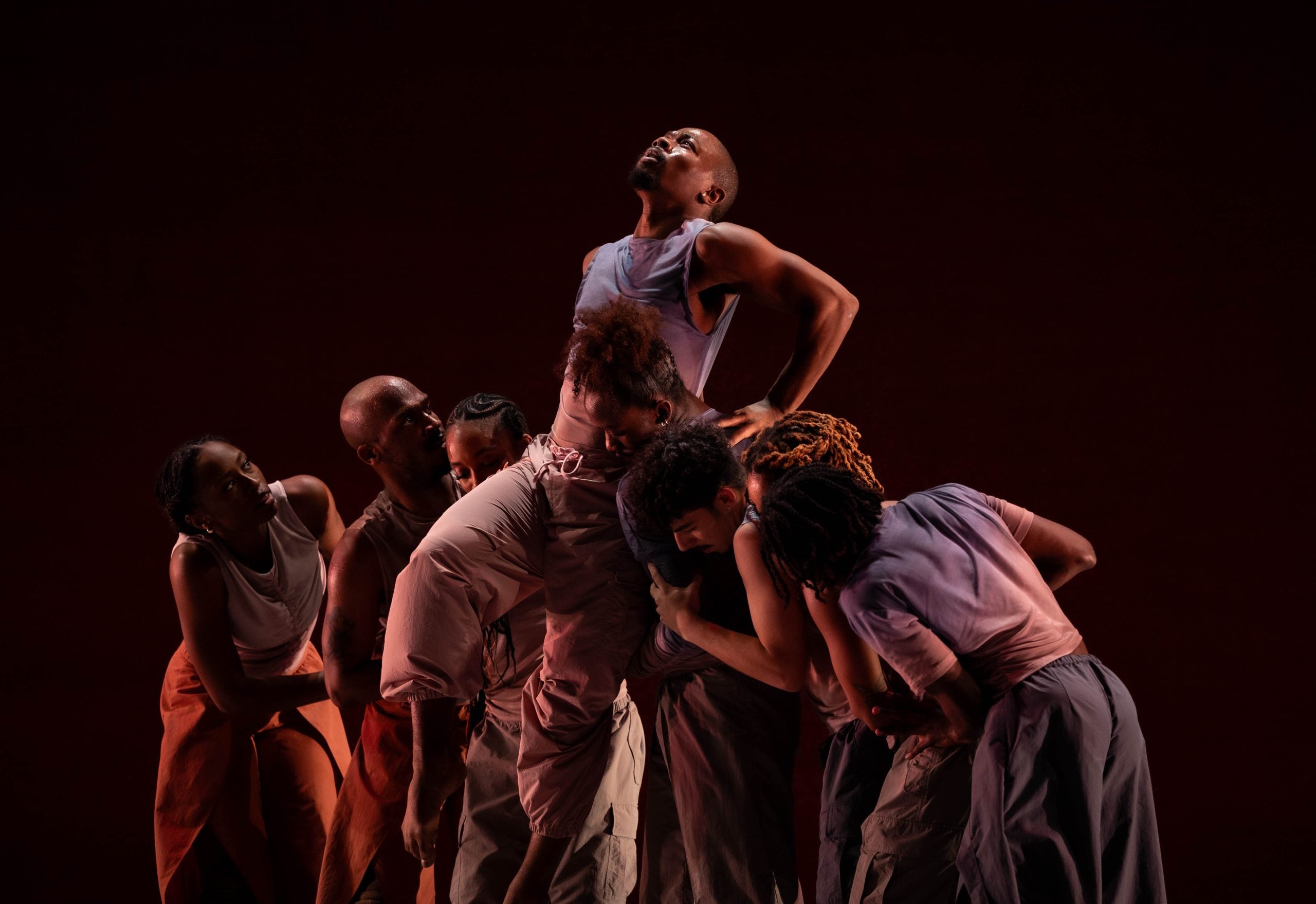
Dancers Jamaal Bowman, Juan Carlos Franquiz, II, Amari Frazier, Mykiah Goree, Faith Joy Mondesire, Donovan Reed, Keturah Stephen, and Gianna Theodore construct a fluid canvas of externalized longing pointing to then away from the bouquet at oscillating points. As Keerati explains, the bouquet is tied to a string offstage, trailing the dancers’ movements and stopping when they pause. The flowers evade them as they move between chasing its proverbial validation and trying to escape it.
“It follows the dream of someday soon, you’ll get what you want or what you think you want. Or at least that you’ll have that feeling,” Keerati explains. Over the course of the number, the flowers move through many forms as an object of aspiration to be feared and coveted. To highlight this relationship, Keerati aptly scored later parts of the performance to Tyler, The Creator’s track “EXACTLY WHAT YOU RUN FROM YOU END UP CHASING.”
With such a resonant subtext, Blackwood sought to amplify both the intentionality of movement and the visual cohesion of the performance. He has previously ventured into costume design, perhaps most famously with creating custom gown, gloves, and heels for Beyoncé’s Renaissance Tour, and handled this collaboration with the same meticulous attention.
Blackwood shares that with costume design he believes it is imperative to custom-fit the fabric in a seamless fashion to provide comfort and aesthetically pleasing pieces. “My vision is always to enhance the greatness of the person wearing the clothes; whether it is when we are doing a gown for a red carpet, or this dance performance, I want to make sure that the dancers feel comfortable and that the clothing is an extension of themselves and the story that they are telling to the world,” Blackwood shares.
There were several fittings during this process. Blackwood and his team wanted to ensure that in every move the dancers made, the fabric moved with them exactly where they wanted it to on the body. “The color of the tops was really special as I worked with our design team to make our very own gradient color print,” Blackwood continues.
The overall performance deals with questions of past, present, and future, with answers achieved through multiple partnerships of artistic focus. Jinakunwiphat’s choreographic genius anchors A.I.M by Kyle Abraham’s electrifying resonance of Black and queer cultural histories, referencing an esteemed tradition while still feeling palpably current. Someday Soon is a vivid exploration of the personal complexes that exist in gradience, calling upon dancers and audience members alike to face their uncertainty. There is an idea of multiple truths approached in various approaches from costumes to choreography.
“We hope the audience was able to understand and see the modernity and sentiment in the clothing. The color story was purposely chosen to represent the softness and vulnerability in all people and to blend with the body in a way the movement of dancers can truly shine,” Blackwood adds.
TOPICS: Black Costume Designers brandon blackwood costume design
The post Brandon Blackwood On Disrupting The Contemporary Art World appeared first on Essence.
A.I.M by Kyle Abraham By Skylar Mitchell ·Updated May 28, 2024
Keerati Jinakunwiphat a dancer and choreographer has been performing with A.I.M by Kyle Abraham, a dance company for nearly a decade. Both she and the eponymous founder studied at Purchase College, State University of New York, finding a mutual love for contemporary dance in different journeys in motion and physicality. Jinakunwiphat’s aptitude for stagebound worldbuilding post-grad was nurtured through A.I.M’s self-reflexive praxis that cultivates the technique and conceptualism of the dancers at the heart of its repertoire.
Collaboration is embedded into the process, and young choreographers like Jinakunwiphat are encouraged to own their sartorial direction with whatever tools heighten the story they seek to tell. So, when Jinakunwiphat visualized her ideal costume design for her latest work, Someday Soon, she tapped Brandon Blackwood to create pieces that would amplify what makes her choreography and the dancers who would perform it so captivating. “We wanted to genuinely represent the themes in the dance piece and how they are parallels to how we tell stories through fashion,” Brandon Blackwood said.
The composition premiered at the start of the new year as part of A.I.M’s latest repertory with performances throughout the spring and summer. The partnership results from a longstanding respect for each party’s work—a connection made all the more meaningful by the members of the dance company’s alumni who have since transitioned into fashion. Imani Simmons, vice president of brand partnerships at Brandon Blackwood studied with A.I.M for a period of time and was versed in the cross-disciplinary parallels between the worlds of design and dance. Hence the meeting of the two companies most recently was seemingly kismet.
A.I.M by Kyle Abraham Art, organic creative discovery, and athleticism underpin the foundations of A.I.M’s mission, in part reflecting founder Kyle Abraham’s journey toward dance. In establishing an ethos for his company, which would come to be known for longer performances grounded in a central idea for audiences, he was a product of combined influence. Early in Abraham’s career, he was exposed to the works of Ulysses Dove and the Alvin Ailey American Dance Theater, which built its model performing the work of its founding director but also works from other choreographers.
Abraham studied how this format has been expanded upon in other contemporary collectives such as the Bebe Smith Company or the Ralph Lemon Company and now leads with that same concept of collaborative choreography. Creating and staging new work is as much a meditation on the sport of dance as it is on the curation of history showing audiences where the evolving elements in today’s dance zeitgeist derive from.
“The way that I look at programming I like to think about how best to think about where my influences come from, whether they be someone in the past or someone from the next generation like Keerati Jinakunwiphat,” Abraham notes. Jinakunwiphat has been performing with A.I.M since graduating with her BFA from Purchase College. With the company’s most recent repertory performance, she and Abraham amplify the distinctive tapestry of Black and queer narratives in motion.
The concept for the costumes was established over time, developing in tandem with A.I.M’s rehearsal period. The Brandon Blackwood team worked closely with Jinakunwiphat as she choreographed Someday Soon—her second original work with the company following 2019’s Big Rings (sketches are below by Brandon Blackwood). “I started playing with this idea of flowers,” the artist tells ESSENCE. “I was just in a place in my life where I was trying to really allow myself to accept the love that I was being given, whether it’s in like relationship, success, career, any of those things,” Jinakunwiphat adds.
Brandon Blackwood Last winter, Keerati made history as the first Asian American woman commissioned by New York City Ballet to create a new work in the company’s 75-year history. Keerati says that though it was a historic accomplishment, it was also overwhelming. As she processed being on the receiving end of high accolades, she identified how flowers represent the push and pull of validation in her work and personal life.
As the curtain rises for the number, two earth-tone-outfitted dancers stand before a gradient backdrop as a bouquet lays downstage. Tyler, the Creator’s explosive “IGOR’S THEME” scores the moment they are joined by more dancers in an undulating canvas of light and motion. Their movements are fluid and seamless, highlighted by the warm, soft hues of the custom-dyed costumes Brandon Blackwood constructed for the performance. “For the tops we used double-lined a four-way mesh, best for movement, and nylon for the cargo pants,” Blackwood explains. He adds that when developing a color palette with Keerati, she expressed how she wanted emotive yet gender-neutral hues.
Dancers Jamaal Bowman, Juan Carlos Franquiz, II, Amari Frazier, Mykiah Goree, Faith Joy Mondesire, Donovan Reed, Keturah Stephen, and Gianna Theodore construct a fluid canvas of externalized longing pointing to then away from the bouquet at oscillating points. As Keerati explains, the bouquet is tied to a string offstage, trailing the dancers’ movements and stopping when they pause. The flowers evade them as they move between chasing its proverbial validation and trying to escape it.
“It follows the dream of someday soon, you’ll get what you want or what you think you want. Or at least that you’ll have that feeling,” Keerati explains. Over the course of the number, the flowers move through many forms as an object of aspiration to be feared and coveted. To highlight this relationship, Keerati aptly scored later parts of the performance to Tyler, The Creator’s track “EXACTLY WHAT YOU RUN FROM YOU END UP CHASING.”
With such a resonant subtext, Blackwood sought to amplify both the intentionality of movement and the visual cohesion of the performance. He has previously ventured into costume design, perhaps most famously with creating custom gown, gloves, and heels for Beyoncé’s Renaissance Tour, and handled this collaboration with the same meticulous attention.
Blackwood shares that with costume design he believes it is imperative to custom-fit the fabric in a seamless fashion to provide comfort and aesthetically pleasing pieces. “My vision is always to enhance the greatness of the person wearing the clothes; whether it is when we are doing a gown for a red carpet, or this dance performance, I want to make sure that the dancers feel comfortable and that the clothing is an extension of themselves and the story that they are telling to the world,” Blackwood shares.
There were several fittings during this process. Blackwood and his team wanted to ensure that in every move the dancers made, the fabric moved with them exactly where they wanted it to on the body. “The color of the tops was really special as I worked with our design team to make our very own gradient color print,” Blackwood continues.
The overall performance deals with questions of past, present, and future, with answers achieved through multiple partnerships of artistic focus. Jinakunwiphat’s choreographic genius anchors A.I.M by Kyle Abraham’s electrifying resonance of Black and queer cultural histories, referencing an esteemed tradition while still feeling palpably current. Someday Soon is a vivid exploration of the personal complexes that exist in gradience, calling upon dancers and audience members alike to face their uncertainty. There is an idea of multiple truths approached in various approaches from costumes to choreography.
“We hope the audience was able to understand and see the modernity and sentiment in the clothing. The color story was purposely chosen to represent the softness and vulnerability in all people and to blend with the body in a way the movement of dancers can truly shine,” Blackwood adds.
TOPICS: Black Costume Designers brandon blackwood costume designThe post Brandon Blackwood On Disrupting The Contemporary Art World appeared first on Essence.
 Maskot/Getty Images By Chloe Castleberry ·Updated May 25, 2024
This story is featured in the May/June issue of ESSENCE.
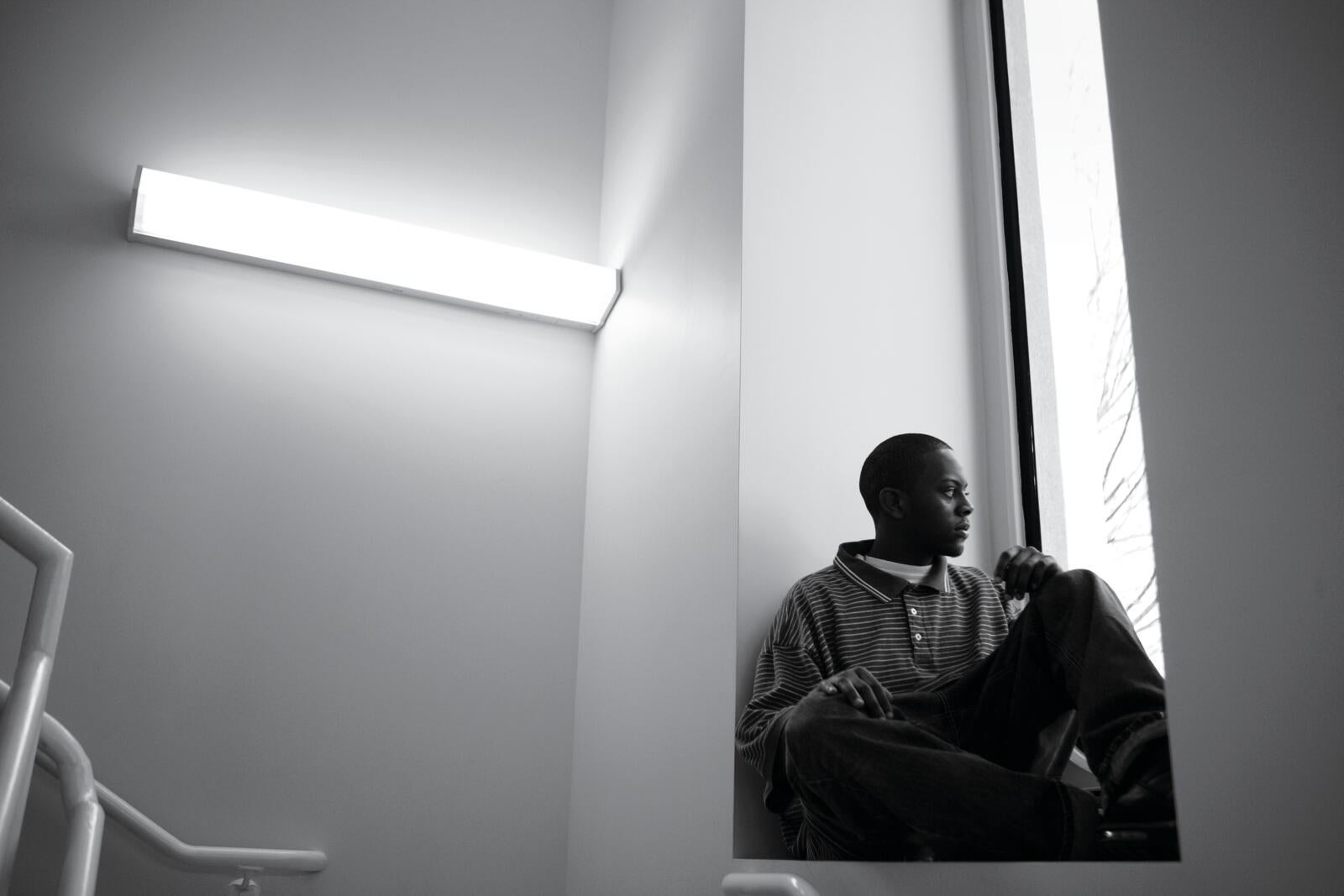
Jamal Clay was the type of child who always wanted to help people. He was an intuitive soul, and his mother, Rafiah Maxie of Chicago, dubbed him her “right hand.” Jamal would often wake his mom up early so he could be dropped off at school before the morning bell rang, in order to assist teachers in setting up their classrooms. At home, he helped Maxie tend to his younger sister. “I think a lot of times he thought we were both parents,” she recalls. “He was very responsible.” He was also struggling with his mental health—and had been for years.
On May 27, 2020, Jamal took his life in their family home. He was 19 years old. His sister found him hanging in the garage. He used the same karate belt he’d utilized for a suicide attempt when he was 12. At that time, Maxie and medical professionals attributed Jamal’s mental state and low self-esteem to his being bullied, and he was diagnosed with single-episode depression.
Attempts at continued treatment with therapy fell through, with Jamal’s providers failing to make agreed-upon home visits, retiring, or not following up with him or Maxie. “There was definitely a stream of events that failed us,” Maxie says. “We were left to deal with it on our own and to find a way to work through it, when we really didn’t have the resources or ability.”
 Stretch Photography/Getty Images
 When the pandemic began, Maxie believes, months of isolation due to quarantines pushed her son into a dark place. She also thinks George Floyd’s murder, which occurred two days before Jamal’s suicide, triggered psychological trauma. “And then, social media is an influencer in itself,” Maxie says. “It can almost take your whole self-esteem and tear it into pieces.”
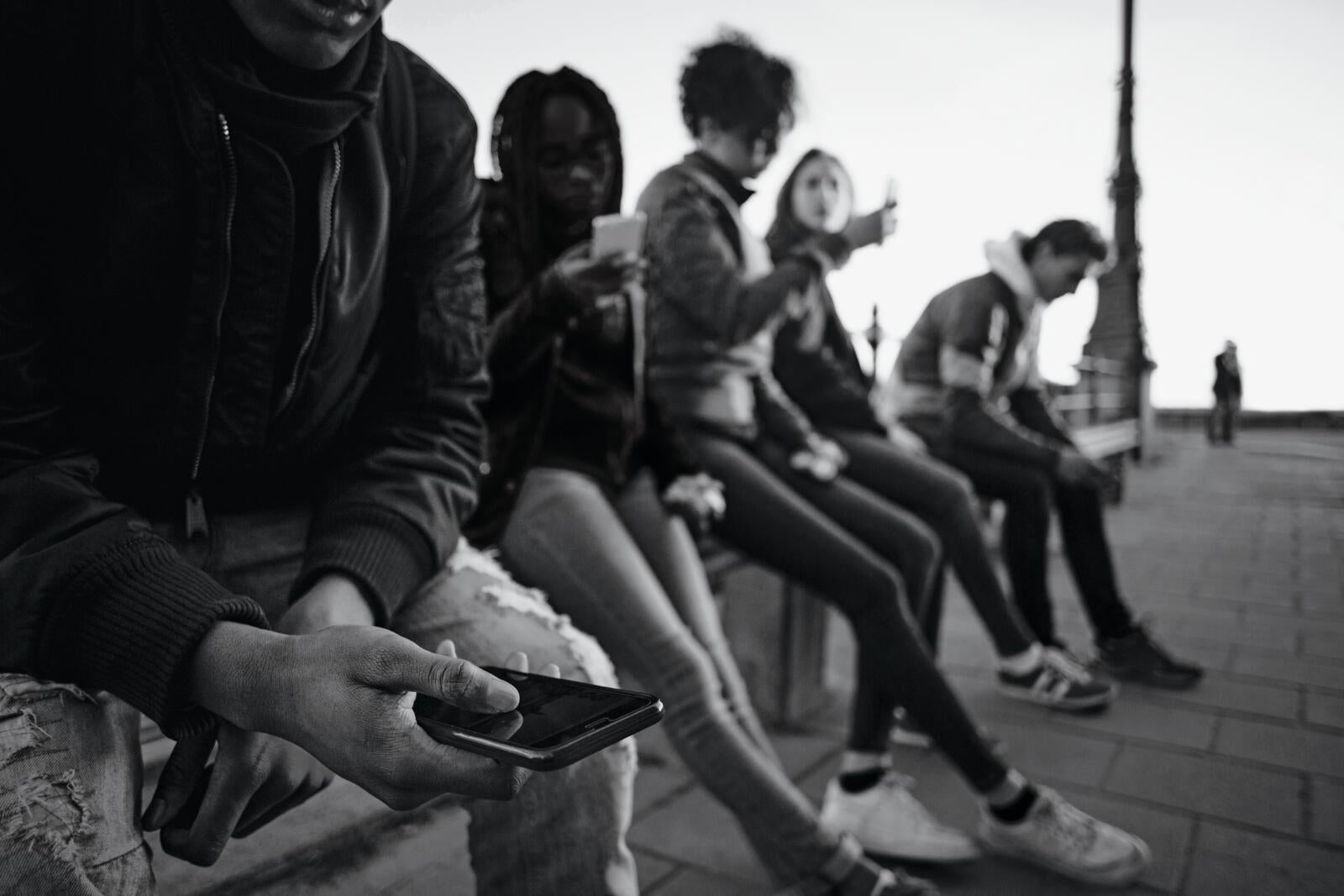
In recent years, social media has been a dominant force for youth ages 13 to 17, who split their time between Facebook, Instagram, YouTube, Snapchat and TikTok, according to data from the Pew Research Center. The latter is currently the most-used app by teens, with an average of 105 minutes spent on the platform daily. Studies conducted in 2018 revealed that 95 percent of teens had access to a smartphone, and 45 percent admitted they were online almost constantly. Research has pointed to the negative impact that viewing race-related traumatic events online can have on the mental health of adolescents of color. Social media has also been found to be particularly harmful for youth susceptible to or suffering from mental disorders. Maxie believes it had a negative impact on her son. Because of it, “I don’t think he was able to say, ‘I’m okay. Things are going to be okay. Life is going to be all right,’” Maxie says.
An Ongoing Crisis
Kamala Uzzell, Ph.D., a psychotherapist based in Durham, North Carolina, started her practice in 2009 with a goal of normalizing counseling for people of color. “If patients see a therapist who looks like them, they may think, It must be okay to go to therapy if there is a Black therapist,” Uzzell says. “Even before I opened the practice, I had heard the common belief that African-Americans don’t go to therapy. We go to church and pray about it. Or we’re in denial and say, ‘That’s not really happening.’”
Maya Williams, a 26-year-old nonbinary person from Portland, Maine, grew up dealing with the consequences of that denial. “My family would talk about mental health, and the conversation would shift to ‘growing pains’—or ‘God doesn’t give you any more than you can handle’ and ‘Are you sure you’re praying hard enough?’” she says. “Prayer has helped Black people for years, but at the same time, it’s like telling us, ‘Talk to God about it so you don’t have to talk to me about it.’ I didn’t feel comfortable talking to my parents and unpacking that until I got older.”
Maya saw a school therapist for a year in eighth grade—around the same time she expressed suicidal thoughts to her mother, and two years before a suicide attempt at 15. Her family didn’t know she had tried to take her life until she was 19 and published an essay about her experience.
According to the American Psychological Association, African-American teenage girls surpass their White and Hispanic counterparts in suicide attempts. Additionally, deaths by suicide among African-American adolescent girls rose 182 percent between 2001 and 2017. Some organizations, such as the National Alliance on Mental Illness, in California, point to untreated mental health conditions as one possible cause for the increase. At age 5, the year her parents divorced, Maya started exhibiting signs of dermatillomania, which is the repeated urge to pick one’s skin—sometimes related to obsessive-compulsive disorder. Yet she wasn’t diagnosed with the condition until she was 19, at the same time she was diagnosed with anxiety. And she didn’t start medication to treat either of her diagnoses until July 2020. “I’ve struggled with mental health issues for a really long time, but now there are new sets of anxieties to process,” she says. “So I wanted to try medication, to feel the way I want to feel.”
 Thinkstock/Getty Images
 A Parent’s Nightmare
While rates of mental illness in African-Americans are similar to those of the general population, only one in three Blacks who need mental health care receives it, according to the American Psychiatric Association.
“There are a lot of different resources that did not exist three or four years ago,” says Tia Dole, Ph.D., executive director of the Steve Fund, an organization that supports the mental health of young people of color. “It takes some persistence, and parents too often wait for the child to be in an actual crisis. You might see their withdrawal over a period of months, and then all of a sudden you see a self-injury. The sooner you get in, the sooner they get better.”
For parents whose children are 18 or older, getting them treatment may be a Herculean task. Such was the case with Atlanta resident Bridget Gipson, whose son, Steven A. Gipson, a graduate of the University of Pennsylvania, was diagnosed with schizoaffective disorder in 2015. He had started exhibiting manic behavior before his diagnosis, and his mother sought professional help. But given that Steven was an adult, she needed his cooperation. In September 2014, he left Atlanta and became uncommunicative with her. She filed a missing person’s report; he was found days later in Miami Beach and taken to a hospital in the area.
“The doctor told me, ‘Your son is here, and we’re going to release him,’” she says. “I begged the hospital to put him in a facility where he could get additional help. They wouldn’t.” But when Gipson drove to Florida to pick Steven up, the hospital wouldn’t release him to her. “I was devastated,” she says. “They released him back onto the streets of Miami. He went missing again for almost three months.”
Steven returned to Atlanta with his mother that December. After being hospitalized, he started taking medication, attended therapy sessions and lived in a condo close to Gipson’s home. She even managed to get guardianship of Steven in early 2015, but with restrictions. She couldn’t admit him to a hospital unless he was a danger to himself, and she couldn’t force him to take his medication—which, in February 2015, he stopped taking. A month later, on March 19, 2015, Steven died by suicide. He was 26.
Changing the Dialogue
People of color are now more openly discussing mental health and its associated challenges, but many parents still don’t understand the underlying reasons for their child’s struggles. “I see a lot of guilt in parents of color,” Dole says. “They think, If my child is depressed, self-injuring or engaging in dangerous behavior, somehow I caused it. If my child receives help, then I will be shamed and blamed for their mental illness.”
But parents, she notes, need to get past this kind of thinking. “The root causes of mental illness in children and young adults can stem from a myriad of factors, from environmental to genetic,” she points out. And because every child is unique, with a different set of circumstances, signs that they may be struggling present differently. The best thing for parents to do is talk, listen, pay careful attention and be open to learning.
“Because therapy wasn’t as accessible or acceptable in the African- American community, there are lots of parents and grandparents who don’t believe in their pain,” Uzzell says. “One in four people will experience some type of mental health challenge. It may not be a long-term condition, it may be short term, but one person in four is going to experience it. That means it’s normal to go through mental and emotional distress, and we need to normalize talking to someone about it.”
These resources help raise awareness and offer support to young people
The Steve Fund has created a special keyword, STEVE, that young POC can text to 741741 to connect with a trained crisis counselor. The National Suicide Prevention Lifeline provides 24/7, free and confidential support for people in distress. Dial 800-273-8255. The National Alliance on Mental Illness allows you to Text NAMI to 741-741 to receive free, 24/7 crisis support. Mental Health Real Talk, founded by Bridget Gipson, focuses on ending the stigma of mental health challenges. Soul Survivors of Chicago, founded by Rafiah Maxie, donates the shoes of loved ones who have died to organizations and individuals in need—and provides educational workshops on the importance of mental health assessments.Chloe Castleberry is a writer and editor based in New York. Her work has appeared in The Daily Mail, New York Magazine, Better Homes & Gardens and SheKnows.
*Photos used for illustrative purposes only
TOPICS: covid mental health awareness month parentingThe post The Kids Are Not Alright: Addressing The Mental Health Crisis Impacting Our Youth appeared first on Essence.
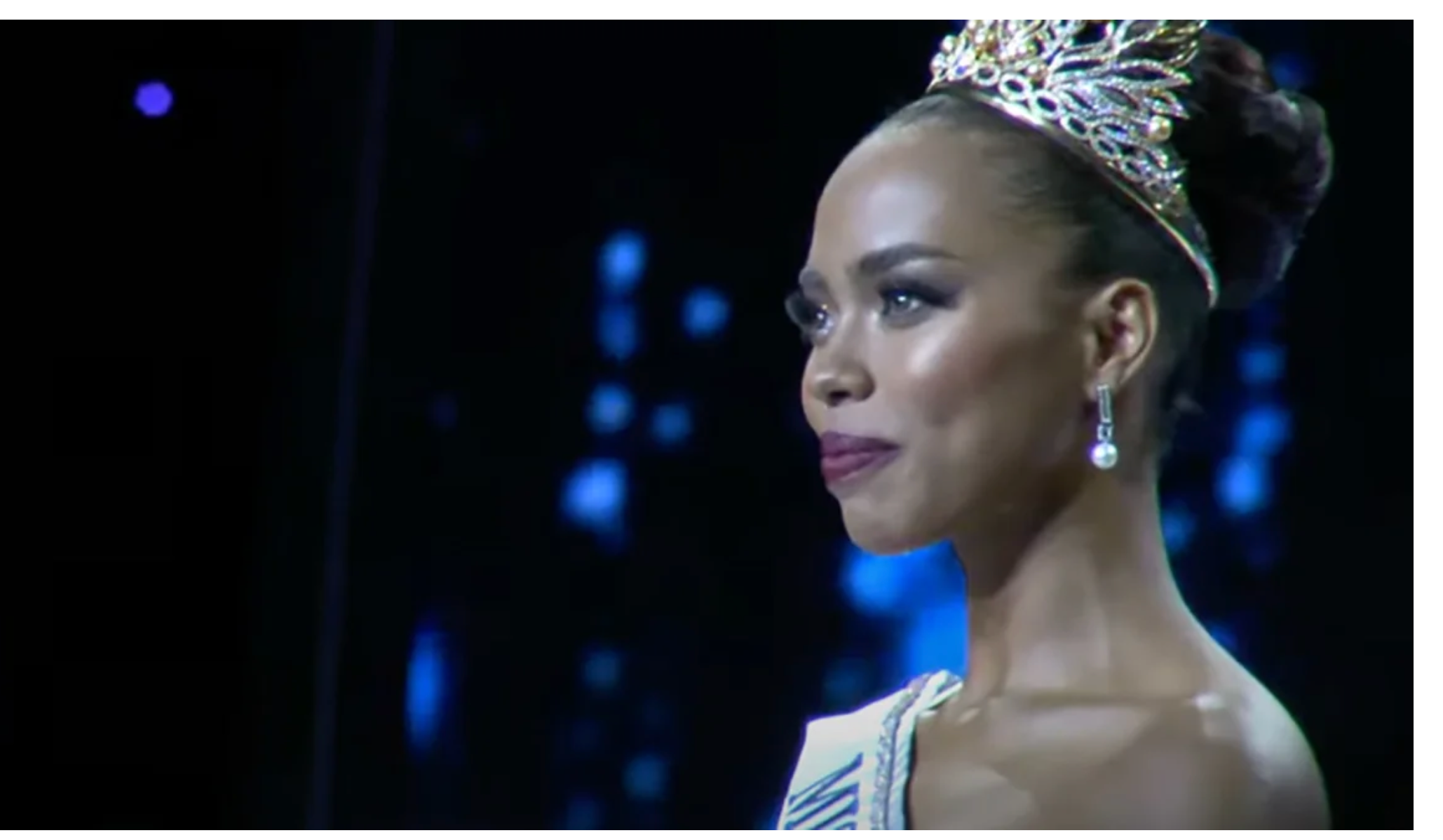 Chelsea Manalo was crowned as Miss Universe Philippines on May 22, 2024. Empire TV Philippines/ By Melissa Noel ·Updated May 24, 2024
Filipino American Chelsea Manalo made history on Wednesday by becoming the first Black woman to be crowned Miss Universe Philippines.
Born to a Filipino mother and an African American father,
The post Historic Win: First Black Filipino Woman Crowned Miss Universe Philippines appeared first on Essence.