
deerstalker
https://www.blackenterprise.com/gingers-black-people-tiktok/
A hot take on TikTok has transformed into expressions of solidarity between Black people and redheaded white people, commonly referred to as gingers, on social media. From the outside, the solidarity appears somewhat bizarre; the unity is borne of a shared experience of oppression due to physical features neither group controls.
According to Newsweek, after a creator on TikTok asserted that “Everyone who is ginger, who has red hair; those are Black people. All gingers are Black people. If they have red hair, they are Black,” the idea quickly swept across social media, in a manner similar to the discourse that all genders are Black women.
This “Gingers Are Black” trend on TikTok
pic.twitter.com/CJXONsdbcl
— Chief Vez
(@ChiefVez) May 12, 2025


Shamar Dickens, a 33-year-old Black creator from Atlanta, told Newsweek that he has connected with many redheads who have shared their stories of ostracization or mistreatment with him, which caused him to think deeper about how other white people treat gingers and how white people, more broadly, treat Black people.
“There were so many of them with very much similar stories about their childhood and upbringing, which is what shaped my view on this. Gingers are definitely the Black people of the white community, especially after hearing of their history and their hardships,” Dickens said.
He continued, “As a Black person myself, and how I feel about this, I’m looking at this from a different angle! There’s so much negativity in the world and even more division in the world also. I’m loving this because it’s producing so much positivity and love.”
According to Dr. Ty Redden, assistant professor of urban planning at the University of Toronto, the trend touches on the historical treatment of the Irish (who are often redheads) when they first emigrated to America and had to earn their whiteness, because they weren’t seen as white people initially, there was solidarity with Black people who were dealing with oppression.
“The trend is referencing the historic marginalization of ‘gingers,’ a phenotype highly associated with the Irish. The treatment of the Irish, particularly at the hands of the British, is well documented, and their discrimination continued well into American colonization. This historically created solidarity between the African-American and Irish populations,” Rodden told the outlet.
Redden also cautioned that the trend on TikTok has already backfired, in part because some of the gingers have accepted what it means to be white in America.
“Instead of referencing the ways in which gingers have been treated, e.g., being deemed either unattractive (aimed at men) or fetishized (in the case of women), some videos have devolved into co-opting Black cultural expressions in order for the creators to demonstrate their ‘Blackness,’” Redden said.
“It was a Black creator who highlighted the ways that gingers are mistreated and it’s unfortunate to have that turn into an opportunity to disrespect African American traditions,” Redden noted.
Melanie Preston, a licensed mental health therapist at Matter of Focus Counseling, echoed Redden’s criticism and said it is somewhat naïve to flatten the distinct historical experiences of two people groups for likes and shares or other digital currency.
“Comparing being a redhead to being Black might feel edgy or even affirming to some, but it’s a false equivalence. Redheads may face teasing—Black people have faced generations of systemic, legalized oppression. Borrowing Black pain to validate other struggles doesn’t build solidarity—it erases context. It’s one thing to build solidarity; it’s another to borrow struggle for clout,” Preston said.
Connor, a 27-year-old redhead content creator who often creates satirical videos, told the outlet that he understands the seriousness of the parallels between Black folks and redheads despite the overall “unserious nature” of the trend.
“Growing up, I was defined by my hair, bullied for it, stereotyped for it,” Connor told Newsweek. “That ‘othering’ is something I now know is a shared experience.”
He also acknowledged that white gingers are still white, which means they have certain advantages that Black people will never receive in the United States.
“At the end of the day, a white ginger is white, which carries with it all the privileges, perspectives, and experiences common with being white. We will never truly be able to compare our experiences with the average Black person, but we can empathize, support, love, and stand in solidarity because of that overlap. This is a moment where two groups of ‘othered’ people can come together and embrace each other with compassion, camaraderie, and a healthy dose of unseriousness that leaves all of us feeling closer and appreciated without becoming caricatures or trying to imitate one another,” Connor told Newsweek.
A hot take on TikTok has transformed into expressions of solidarity between Black people and redheaded white people, commonly referred to as gingers, on social media. From the outside, the solidarity appears somewhat bizarre; the unity is borne of a shared experience of oppression due to physical features neither group controls.
According to Newsweek, after a creator on TikTok asserted that “Everyone who is ginger, who has red hair; those are Black people. All gingers are Black people. If they have red hair, they are Black,” the idea quickly swept across social media, in a manner similar to the discourse that all genders are Black women.
This “Gingers Are Black” trend on TikTok
— Chief Vez
Shamar Dickens, a 33-year-old Black creator from Atlanta, told Newsweek that he has connected with many redheads who have shared their stories of ostracization or mistreatment with him, which caused him to think deeper about how other white people treat gingers and how white people, more broadly, treat Black people.
“There were so many of them with very much similar stories about their childhood and upbringing, which is what shaped my view on this. Gingers are definitely the Black people of the white community, especially after hearing of their history and their hardships,” Dickens said.
He continued, “As a Black person myself, and how I feel about this, I’m looking at this from a different angle! There’s so much negativity in the world and even more division in the world also. I’m loving this because it’s producing so much positivity and love.”
According to Dr. Ty Redden, assistant professor of urban planning at the University of Toronto, the trend touches on the historical treatment of the Irish (who are often redheads) when they first emigrated to America and had to earn their whiteness, because they weren’t seen as white people initially, there was solidarity with Black people who were dealing with oppression.
“The trend is referencing the historic marginalization of ‘gingers,’ a phenotype highly associated with the Irish. The treatment of the Irish, particularly at the hands of the British, is well documented, and their discrimination continued well into American colonization. This historically created solidarity between the African-American and Irish populations,” Rodden told the outlet.
Redden also cautioned that the trend on TikTok has already backfired, in part because some of the gingers have accepted what it means to be white in America.
“Instead of referencing the ways in which gingers have been treated, e.g., being deemed either unattractive (aimed at men) or fetishized (in the case of women), some videos have devolved into co-opting Black cultural expressions in order for the creators to demonstrate their ‘Blackness,’” Redden said.
“It was a Black creator who highlighted the ways that gingers are mistreated and it’s unfortunate to have that turn into an opportunity to disrespect African American traditions,” Redden noted.
Melanie Preston, a licensed mental health therapist at Matter of Focus Counseling, echoed Redden’s criticism and said it is somewhat naïve to flatten the distinct historical experiences of two people groups for likes and shares or other digital currency.
“Comparing being a redhead to being Black might feel edgy or even affirming to some, but it’s a false equivalence. Redheads may face teasing—Black people have faced generations of systemic, legalized oppression. Borrowing Black pain to validate other struggles doesn’t build solidarity—it erases context. It’s one thing to build solidarity; it’s another to borrow struggle for clout,” Preston said.
Connor, a 27-year-old redhead content creator who often creates satirical videos, told the outlet that he understands the seriousness of the parallels between Black folks and redheads despite the overall “unserious nature” of the trend.
“Growing up, I was defined by my hair, bullied for it, stereotyped for it,” Connor told Newsweek. “That ‘othering’ is something I now know is a shared experience.”
He also acknowledged that white gingers are still white, which means they have certain advantages that Black people will never receive in the United States.
“At the end of the day, a white ginger is white, which carries with it all the privileges, perspectives, and experiences common with being white. We will never truly be able to compare our experiences with the average Black person, but we can empathize, support, love, and stand in solidarity because of that overlap. This is a moment where two groups of ‘othered’ people can come together and embrace each other with compassion, camaraderie, and a healthy dose of unseriousness that leaves all of us feeling closer and appreciated without becoming caricatures or trying to imitate one another,” Connor told Newsweek.
The 29th annual American Black Film Festival (ABFF) has announced its lineup of narrative and documentary features, along with the opening night HBO Short Film Award Showcase. This year’s festival will take place live in Miami Beach June 11-15, followed by an online segment June 16-24 on ABFF PLAY, and spotlights incredible emerging creatives in the filmmaking space.
In past years, the ABFF’s prestigious HBO Short Film Award has helped launch the careers of some of the most successful filmmakers, such as:
Ryan Coogler (2011 HBO Short Film Award Winner – Fig),
Reinaldo Marcus Green (2013 HBO Short Film Award Finalist – Stone Cars),
Rashaad Ernesto Green (2008 HBO Short Film Award Winner – Premature),
Frank E. Flowers (2003 HBO Short Film Award Winner – Swallow ),
Steven Caple, Jr. (2013 HBO Short Film Award Winner – A Different Tree ), and more.
The American Black Film Festival (ABFF) continues to serve as a vital force in Hollywood, spotlighting bold storytelling and fresh creative voices for a global audience. The 2025 festival will feature a compelling lineup of narrative and documentary films from the United States, Canada, Jamaica, Ghana, South Africa, Nigeria, Zambia, United Kingdom, Democratic Republic of Congo and other nations. Audiences can anticipate a powerful selection of narrative features, spanning genres like psychological thriller, romance, and comedy, and delving into culturally resonant issues including grief, friendship, fatherhood, resilience, self-identity vs. collectivism, desperation vs. maintaining artistic integrity, gang violence, and envy & greed.
Hosted by three-time Emmy-nominated actor and author Dondré Whitfield on Saturday, June 14, winners of the films in competition will be announced during the “Best of ABFF Awards” which will include the festival’s hallmark award, the John Singleton Award for Best Debut Feature presented by Sony Pictures Entertainment.
“We are thrilled to bring the American Black Film Festival back to Miami Beach in 2025, continuing our tradition of showcasing bold, original voices and engaging storytelling,” said NICE CROWD President Nicole Friday. “This year’s festival promises an even more expansive lineup of films that reflect the richness of lived experiences and the creativity shaping today’s cinematic landscape. We look forward to an inspiring week that celebrates emerging talent and connects audiences through compelling stories from around the world.”
“The American Black Film Festival has been a cherished longstanding partnership for Miami Beach — culturally, creatively, and economically,” said Miami Beach Mayor Steven Meiner. “ABFF reinforces Miami Beach’s reputation as a global hub for film and art. We welcome the leading voices in Black film and entertainment to our city.”
The full feature and documentary lineup as well as the HBO Short Film Award Showcase for the 2025 American Black Film Festival is listed below:
Narrative Features (U.S. & International)
A competitive section for feature-length films directed by, or written and produced by, persons of African descent. Films selected for this section will compete for Jury Awards, including Best Narrative Feature with a cash prize of $2,500 sponsored by Walmart, and Best Director with a cash prize of $2,500 sponsored by Ally Financial. Additionally, if a person of African descent directs a film accepted to this section and it is their first feature film, they will be eligible to compete for the John Singleton Award for Best Debut Feature Film, presented by Sony Pictures Entertainment. The following films represent the 2025 official selections in the Narrative Features category:
Can You Stand The Rain *World Premiere

Logline: A group of lifelong friends reunite after the sudden death of their childhood anchor, only to confront buried dreams, hidden tensions, long-held regrets — and the truth about who they’ve become… and who they still might be.
USA | 90m
Director: Eden Marryshow
Writer: Eden Marryshow
Producer: Eden Marryshow
Cast: John Bermudez, Steve H. Broadnax III, Jaben Early, Devin Haaq, Eden Marryshow, Stephen Conrad Moore, Adesola Osakalumi, Cesa Pledger, Celestine Rae, Jaime Lincoln Smith, Brandhyze Stanley, Analisa Velez, Jasmin Walker
Deadly Visitor *World Premiere

Logline: A woman’s quiet home turns into a deadly standoff when assassins come hunting a stranger and stolen diamonds.
USA | 84m
Director: Aaron L. Williams
Writer: Aaron L. Williams
Producers: Aaron L. Williams, Orlando Eric Street, John Sonny Louis, Allysa Carson
Cast: Danielle Laroach, Maurice P. Kerry, Rodney Perry
Trailer: https://youtu.be/0y4u-xNFPDk
Freight: The Five Incarnations of Abel Green

Logline: Freight: The Five Incarnations of Abel Green operates on the premise that a person’s spirit, or soul, comes to the world because there is something the soul needs to learn. If the soul does not learn it, then it comes back to the world again and again until it’s successful.
USA | 90m
Director: J. Alphonse Nicholson
Writer: Howard L. Craft
Producers: J. Alphonse Nicholson, Tabitha Brown, Nafeesha Nicholson, Stephen “Doc” Love, Juel Taylor, Joseph Megel
Cast: J. Alphonse Nicholson
Trailer: https://youtu.be/WFg_rzMfXRs?si=R2qBE35dwVeeJj_7
HOORAH 99! *World Premiere

Logline: A down-on-his-luck father, in the midst of a foreclosure and other financial woes, convinces his three high-school teenage sons that their only option is to rob a bank.
USA | 122m
Director: Ash Innovator
Writer: Ashley Smith
Producers: Ci Esta
Cast: Travis Johnson, Jeff ‘Ja Rule’ Atkins, Kevin Barbara, Marqi Morgan, Zy’Air Carter, Thashley Ulysses, KiKi the First Lady
Trailer: https://vimeo.com/user197373387/HOORAH99trailer
It Comes In Waves *World Premiere

Logline: A family of four escapes the genocide in Rwanda and lands in Ottawa. They quickly learn that the grass is not always greener on the other side.
Canada | 105m
Director: Fitch Jean
Writer: Sammy Mohamed
Producers: Amir Zargara
Cast: Adrian Walters, Nendia Lewars
Trailer: https://vimeo.com/1064496934/4aba711359

Logline: Three longtime Brooklynites navigate careers, love, loss, and friendship against the rapidly changing landscape of their beloved city.
USA | 97m
Director: Rachael Abigail Holder
Writer: Paul Zimmerman
Producers: André Holland, Kate Sharp, Liza Zusman, Maurice Anderson, Patrick Wengler
Cast: André Holland, Nicole Beharie, DeWanda Wise, Roy Wood Jr.
Love Offside

Logline: When an undervalued physical therapist secretly takes on a famous rugby player’s recovery using a bold mix of Jamaican herbal remedies and modern therapy, she risks her career—and her heart—in a fight to prove her worth.
Jamaica | 105m
Director: Dale S. Lewis
Writer: Daneil Campbell, Jeanette Milio
Producers: Kimala Bennett, Melissa Llewellyn, Lorisa Bates, Tashara Lee Johnson, Judi Johnson, Victoria Rowell, Mike Merrill
Cast: Judi Johnson, Mike Merrill, Victoria Rowell, Sundra Oakley, Carli McIntrye, Tosh Alexander
Meta Take One

Logline: An obsessive young director & his crew plunge into a frantic night long odyssey of desperation to finish his film no matter the cost.
USA | 96m
Director: John Dierre, Ryan Dutter
Writer: Ryan Dutter and John Dierre
Producers: Ryan Dutter, John Dierre, Cabral Clements, L.M. Davis
Cast: Ej Ezuruo, Emmanuel Peeples, Aminah Williams, James Choi, John Romanski, Laura Poindexter, Kountry Slimm, Kevin Williams
Trailer: https://vimeo.com/1064898743
Outdoor School *World Premiere

Logline: In 1994, drugs and gangs surge north up the Interstate 5 corridor, destabilizing Portland, Oregon. Amidst this urban chaos, 12-year-old Vin, homeless in the heart of the city, embarks on a week-long wilderness journey, experiencing Portland’s transformative rite of passage: Outdoor School.
USA | 84m
Director: Ime N. Etuk
Writer: Ime N. Etuk, Kamafi Adio Byrd
Producers: Ime N. Etuk, Ifanyi Bell, Vin Shambry
Cast: Kendrick Cross, Cycerli Ash, Jahi Diallo Winston, Eric Edelstein
Trailer: https://vimeo.com/1055111306/6c36465819
The Fisherman

Logline: In Zoey Martinson’s Venice Film Festival-winning feast of magical realist comedy— aging Ghanaian Atta Oko sets his sights on finally having his own boat and becoming the envy of his village, he’ll just need help from a talking dead fish first.
Ghana | 106m
Director: Zoey Martinson
Writer: Zoey Martinson
Producers: Kofi Owusu Afriyie, Korey Jackson, Yvonne Orji
Cast: Ricky Adelayitar, Endurance Grand, William Lamptey, Kiki Romi, Adwoa Akoto, Dulo Harris
Trailer: https://vimeo.com/1001394859
The Late Night Creep *World Premiere

Logline: For a married man, date night without the wife can be hell.
USA | 95m
Director: Jamal Dedeaux
Writer: Jamal Dedeaux
Producers: Rebecca T. Haze, Kris Simms
Cast: Jake Choi, Tosin Morohunfola, Karen Obilom, Siddiq Sanderson, Ali Gallo, Lori Laing, Jason Mitchell, Leslie Jones
The Reject

Logline: Against all odds, a young man labeled as “mentally handicapped” fights against systemic barriers, personal demons, and society’s expectations to rise from the projects and become an influential attorney and politician who challenges the very system designed to hold him back.
USA | 93m
Director: Blademil Grullon
Writer: Yonel Aris, Percy Romeo Miller, Logan Burdick, Kionne Mcghee
Producers: Marco Molinet, Percy Romeo Miller, Brandon Dumlao, Kionne Mcghee
Cast: Percy Romeo Miller, Kamal Ani-Bello, Tsachai “Sky” Aris
Trailer: https://youtu.be/Q5DA8M0xguo
The ReWrite. *World Premiere

Logline: A struggling screenwriter revisits the characters in his script in real life to do a rewrite of his latest draft in order to save his dying career.
USA | 94m
Director: Terry Dawson
Writer: Terry Dawson
Producers: Julie Bersani, Bill Benenson, Laurie Benenson, Terry Dawson
Cast: Stephen Barrington, Freddy D. Ramsey Jr., Elijah R. Reed, Anthony Riggins Jr., Taylor Leigh Edwards, Holly Hyman, Don Wallace, Felice Heather Monteith, Jhey Castles, Jordan Murphy
The Secret Between Us *US Premiere

Logline: Some secrets break us; others can bind us.
USA | 114m
Director: Tamera Hill
Writer: Tamera Hill
Producers: Tamera Hill, Michael Jai White, Reggie Currelley, Suzanne Lyons
Cast: Michael Jai White, Lisa Arrindell, Victoria Rowell, Tre Ryan
Trailer: https://vimeo.com/1080045987
TREASURE HUNT *World Premiere

Logline: A desperately poor ex-con man returns lost expensive jewelry only to discover that a gang of criminals are bent on using him to get the jewelry for themselves.
South Africa | 97m
Director: Chim Onyebilanma
Writer: Chim Onyebilanma
Producers: Chim Onyebilanma, Happiness Mpase
Cast: Moopi Mothibeli, Melissa Mkhize, Thabiso Mokhethi, Patrick Kenny, Crystal Tryon-Smith
Trailer: https://youtu.be/c2mNIRJvhoo
Narrative Features (Out of Competition)
Fight Like A Girl

Logline: A young Congolese woman forced to work in an illegal mineral mine, escapes her captors and finds a new life for herself after joining a renowned all-women boxing club in the border city of Goma. Based on a True Story.
Democratic Republic of Congo | 118m
Director: Matthew Leutwyler
Writer: Matthew Leutwyler
Producers: Anton Laines, Yvette Gayle, Innocent Munyeshuri, Serge Ibaka
Cast: Ama Qamata, Hakeem Kae Kazim, Clarck Ntambwe, Malaika Uwamahoro, Arthur Nkusi, Bahali Ruth, Kennedy Mazimpaka
Trailer: https://vimeo.com/869303140?share=copy
Trouble Man *World Premiere

Logline: An ex-cop turned fixer is hired to find his superstar and rumored ex-girlfriend. With a blend of brains, bullets and Kung Fu, Jaxen must fight through a maze of street thugs, slicksters and Chinese mobsters before his or the diva’s time runs out.
USA | 92m
Director: Michael Jai White
Writer: Michael Stradford
Producers: Craig Baumgarten, Michael Jai White, Ron Robinson
Cast: Michael Jai White, Method Man, Mike Epps, Gillian White, Orlando Jones, Lala Anthony
Documentary Features
A competitive section for non-fiction feature-length films directed by or about persons of African descent. Films selected for this section compete for the Jury Award for Best Documentary Feature with a cash prize of $2,500. The following films represent the 2025 official selections in the Documentary Features category:
Black Women and Sex *World Premiere
Logline: Black Women and Sex explores the tension between black women and the politics of sex in Africa.
South Africa, Nigeria, Zambia | 90m
Director: Godisamang Khunou
Writer: Godisamang Khunou
Producers: Godisamang Khunou, Calvin Sefala, Adelaide Joshua-Hill, Yolanda Ncokotwana, Refiloe Hlabioa, Iris Kaingu, Nthabeleng Phora, Kgomotso Zebediela
Cast: Iris Kaingu, Glow Makatsi, Olawumi Oloye
Trailer: https://youtu.be/ltdv7BbZiao
Carnival: They Can’t Steal Our Joy *US Premiere
Logline: Caribbean Carnival is not just any event. It is liberation, a voice of freedom, people in action, a cultural movement that was born out of a place of righteous defiance to become a paradise of colorful street parade.
Canada | 75m
Director: Ian Mark Kimanje
Writer: Allen Booth and Ian Mark Kimanje
Producers: Ian Mark Kimanje
Cast: Candace Dixon, Fiona Compton, and Ian Mark Kimanje
Trailer: https://youtu.be/o_RPfSkrxsM
Fatherless No More
Logline: Fatherless No More chronicles the remarkable journey of an Orlando-based pastor and former Super Bowl Champion who was driven by a divine calling to move into an RV at a place often deemed hell on earth, Rikers Island.
USA | 86m
Director: Kayla Johnson, Co-director Ashly Robinson
Producers: Cole Anthony, Cece Winans, Ashly Robinson, Kayla Johnson, Michelle Duffie
Cast: Tim Johnson, Malik Bacchus, Jayden Mayo, and Tristian Williams
Good Shot *World Premiere
Logline: In the heart of Watts, a beloved neighborhood legend named Maxwell seeks redemption as a father after a lifetime of using basketball to mask his pain.
USA | 81m
Director: Joris Debeij
Writer: Walter Thompson-Hernández
Producers: Jean Mougin, Joris Debeij, Aron Phillips, Stephen Curry, Erick Peyton, Steve Wood
Cast: Maxwell Henderson
Love, Joy & Power: Tools For Liberation *World Premiere
Logline: Love, Joy & Power: Tools for Liberation is a feature length documentary about the co-founders of the Black Voters Matter Fund, Cliff Albright and LaTosha Brown, the work they do to empower African American communities especially in the rural south, and the crucial role they played in flipping Georgia from red to blue in the 2020 Presidential election and the 2021 Georgia Senate Runoffs and the numerous threats they faced to do the work.
USA | 96m
Director: Daresha Kyi
Producers: Trevite Willis, Daresha Kyi
Cast: LaTosha Brown, Cliff Albright, April England Albright
Trailer: https://vimeo.com/929955295?from=outro-local
Moses
Logline: In San Francisco, a man enduring homelessness for two decades connects with passersby to be seen among the invisible—a skill he learned from a promising music career cut short in the ’70s, and one that will ultimately transform his life.
USA/SPAIN | 127m
Director: Fran Guijarro
Writer: Fran Guijarro
Producers: Fran Guijarro, Diya Guha & Juli López
Cast: Moses
Trailer: https://vimeo.com/freerangepuppies/mosestrailer
SPADURA *World Premiere
Logline: Framed as an off-kilter baby shower, SPADURA unapologetically takes on the emotional and financial cost of IVF, grief, aging, as well as the unique fertility obstacles faced by Black women in America — all through a funny and gripping solo show.
USA | 60m
Director: Allison Caviness
Writer: Dahéli Hall
Producers: Elizabeth Yng-Wong
Cast: Dahéli Hall
Wait Until Tomorrow *World Premiere
Logline: An intimate, urgent portrait of race, wealth, and opportunity in America, told through the eyes of Black families striving for more in cities across the nation.
USA | 70m
Director: Osato Dixon
Writer: Osato Dixon, Kara Murphy
Producers: Kelley Robins Hicks, Jamund Washington
Cast: Shelley Stewart III, Sara Prince, Tiffany Burns, JP Julien, Avis E., Crystal F., Antonio G., Kandice J., Armond J.
Trailer: https://vimeo.com/1083669581?share=copy
Series
A competitive section for short-form episodic series directed by, or written and produced by, persons of African descent. Series selected for this section compete for the Jury Award for Best Series with a cash prize of $2,500 sponsored by Comcast NBCUniversal. The following are the 2025 official selections in the Series category:
Ainsi va Manu – Hogtown Episode 203 *US Premiere
Logline: Forced to leave her hometown temporarily, Manuela finds it difficult to adapt to her new surroundings. She has only one thing on her mind: moving back to Toronto. However, an unexpected encounter turns Manuela’s life upside down, calling into question everything she’s known up to now.
Canada | 21m
Director: Josiane Blanc
Writer: Josiane Blanc
Producers: Josiane Blanc, Ania Jamila
Cast: Cindy Charles, Sandra Dorélas, Jamaal Mansaray, Laurence Barrette, Ted Pluviose, Madani Tall, Maïka Ferron, Nam Nguyen
Trailer: https://vimeo.com/920086803
I Hate My Love Life
Logline: After years of bickering, a well-seasoned married couple decide to go on dates with other people to see if the grass is really greener on the other side; only to find out they are not prepared for the woes of new-age dating.
USA | 15m
Director: Tiffany Jackman
Writer: Tiffany Jackman
Producers: Tiffany Jackman, Orion Phillips II, Nia Watenza, Paula Spencer
Cast: Reggie Hayes, Terri J. Vaughn, Daphnique Springs, Orion Phillips II, Meghan Falcone, Roy Wood Jr.
Trailer: https://vimeo.com/1046554296
IntelliGent
Logline: Regent, an autistic genius in fourth grade is lured by a bully’s promise of popularity, setting off a race against time to unveil the truth and avoid a year of humiliation and disaster.
USA | 28m
Director: Kinnik Sky
Writer: Kinnik Sky
Producers: Kinnik Sky
Cast: Josiah Howard-Tobia, Ernest Thomas, Kinnik Sky, Nia Johnson, Harper Bree, Rhaja Leigh, Dylan Taylor, Jaeden White
Trailer: https://www.youtube.com/watch?v=5N1x7MLAfGE
OFFBEAT *World Premiere
Logline: A quirky yet classy late 20s woman struggles to hide her true self as she leads an entertaining double life.
USA | 29m
Director: Jasmine Ogunjimi
Writer: Paige Carroll
Producer: Paige Carroll
Cast: Breayre Tender, Robert Daniels, G’ionna Bowman, Craig Amar Johnson, April Rock, Dominick Johnson, Ahmenah Richardson
Trailer: https://youtu.be/naNioRtshd0
Sideline Story *World Premiere
Logline: Hezi and Parker are two ex-basketball phenoms who find themselves in a similar predicament of financial struggles, soon to realize that ball might be the solution to both of their problems.
USA | 24m
Directors: Deantè Gray, Sam Buckner, III
Writer: Sam Buckner, III
Producers: Sam Buckner, III, Ski-ter Jones
Cast: Ezekiel Ajeigbe, Shan Moreno, David Reivers, Sophina DeJesus, King Martin
Trailer: https://www.youtube.com/watch?v=BXoDUXq0Vu8
The Hype
Logline: A young Black couple battles the sleazy sea of L.A. materialistic culture at a party in the Hollywood Hills.
USA | 18m
Director: Justin Casselle
Writers: Maya Cryor, Joel Boyd
Producers: Ramone Hulet, Christopher McQueen, Maya Cryor, Joel Boyd
Cast: Maya Cryor, Joel Boyd, Ezekiel Ajeigbe, Alexis Brown, Fana Tesfagiorgis, Eliza Skinner, Randall Harr
HBO Short Film Award Showcase
A competitive section for narrative shorts directed by, or written and produced by, persons of African descent. Now in its 28th year, the HBO® Short Film Award is regarded as one of the most prestigious short film showcases in the country. Five filmmakers are selected as finalists and receive an all-expenses-paid trip to the festival. The Grand Prize winner receives a $10,000 cash award, while each of the four runner-up finalists receives $5,000. The ABFF is an Academy Award-qualifying festival for the Short Film category. The following films represent the finalists for the 2025 HBO Short Film Award.
ManBooBs *World Premiere
Logline: At a pool party for his crush, an overweight Black teenager wrestles with shame and self-worth, risking heartbreak and humiliation to finally tell her how he feels.
USA | 14m
Director: Luke Harris
Writer: Luke Harris
Producers: Luke Harris, Jeremy Blum
Cast: Bryant Tardy, Bethany Livers, Camden Collier, Dwight Nelson, Milan Fields
Trailer: https://youtu.be/rfyvcXP_hLs
A Beauty Supply in Queens *World Premiere
Logline: In Queens, NY, Nigerian mother Ms. Aji and her daughter Tobi fight to keep their beauty supply store afloat amid ruthless competition and sabotage from rival shops.
USA | 19m
Directors: Oluseyi Olatujoye, Princess Adenike
Writer: Princess Adenike
Producers: Princess Adenike, Caroline Chikezie, Oluseyi Olatujoye, Queensly Ajibola, Shalom C. Obiago
Cast: Caroline Chikezie, Clem Cheung, Princess Adenike, Paul Wang, Angella Katherine, Angela Chew, Queensly Ajibola, Keisha T. Fraser, Andrew Hsu, Natividad Alemany, Ayaan Diop, Alaia Diop, Ase Diop, Celia Au, Khoa Nguyen
ADO
Logline: Ms. Hopkins is rehearsing Much Ado About Nothing with her middle school theatre class when it is interrupted by a school shooter.
USA | 16m
Director: Sam Henderson
Writer: Sam Henderson, Ryan Romine
Producer: Rachel Jobin
Cast: Jenifer Lewis, Zachary Lane, Karis Henderson
In Good Hands
Logline: Minutes before the end of her shift, a Black ER Doctor is forced to take on two of the most challenging patient circumstances of her career in a tense Western, PA hospital.
USA | 14m
Director: Nick Buchheit
Writer: Yasmine Crawley
Producers: Carl Kurlander, Janet Smith
Cast: Channel Jones-Harris, Malcolm Thompson
Trailer: https://youtu.be/xvyBLrIOPRk
Last Hoorah at G-Baby’s
Logline: After blowing through her cash inheritance, an aimless and apathetic art school grad must come up with five months of back rent or she risks eviction from her rent-controlled apartment in a gentrifying Brooklyn.
USA | 15m
Director: DeeDee Casimir
Writer: DeeDee Casimir
Producers: DeeDee Casimir, Kim Coleman, Jordan Shanks
Cast: Armani Greer, Cecelia Friday, BeeBe Smith, Thomas Copeland Jr., Chaine “CJ Fly” Downer
Trailer: https://www.youtube.com/watch?v=Nb9uc1044jk
Voices Of Culture
A non-competitive showcase of short films directed by persons of African descent. This section is by invitation only, with films submitted to but not accepted as finalists for the HBO Short Film Award automatically considered for inclusion. The following films represent the 2025 official selections in this category:
333
Logline: Mona is grappling with her past choice to have an abortion but upon learning women’s choices are taken away builds a bomb planning an attack on a local Supreme Court Justice motivated by the Roe v. Wade overturning.
USA | 21m45s
Director: Naturi Naughton-Lewis
Writer: Naturi Naughton-Lewis, Korstiaan Vandiver
Producers: Two Lewis, Naturi Naughton-Lewis, Curshion Jones
Cast: Birgundi Baker, Naturi Naughton-Lewis, Vanessa Bell Calloway, John Clarence Stewart, Samuel Smith, Isley Key Brison
Trailer: https://vimeo.com/1056658648
all the love i could handle
Logline: all the love i could handle is a re-imagining of the filmmaker’s mother’s young diary, unraveling the raw complexities of Black motherhood, artistic ambition, and the enduring sacrifices women have to make as mothers and artists. Based on the true family story of pioneer filmmaker Kathleen Collins (Losing Ground, 1982).
USA | 14m
Director: Ruby Rose Collins
Writer: Ruby Rose Collins
Producer: Ruby Rose Collins
Cast: Breanna Williams, Yasir LaFond
Always, Most Of The Time *World Premiere
Logline: A remorseful woman discovers a magical stone that allows her to travel back in time, giving her the chance to mend her broken relationship and confront the personal traumas that have plagued her life.
USA | 39m56s
Director: Victor V. Hogan II
Writer: R. Alan Brooks
Producers: Michael Quigley, Kyle Vaughn, Victor V. Hogan II, Benton Aladin, R. Alan Brooks, Patti Kim Gill
Cast: Brittany S. Hall, Patrick Walker
Trailer: https://vimeo.com/1070187988?share=copy
BALACLAVA *World Premiere
Logline: In a village overshadowed by an abusive priest father, Maya longs for freedom and expression.
South Africa | 8m
Director: Kagiso Samuel Leburu
Writer: Kagiso Samuel Leburu
Producers: Mapitso Ralephata, Bonolo Bogopane
Cast: Lethabo Mekoa, Collen Modisa, Mannini Mokhuthu
Trailer: https://youtu.be/JByGygecjSs
Blown Chances *World Premiere
Logline: A young woman tries to get a letter of recommendation from her job at the corner store, she is given one chance to prove herself but things get out of hand leading to an explosive intrusion.
USA | 10m45s
Director: India Bey
Writer: India Bey
Producers: Samiyah Wardlaw, Camille Chambers, Briuana Draper, India Bey
Cast: Jean Marie Landham, Deon Rodd
Demons
Logline: A London cop returns to Lagos, risking everything to avenge his lover’s death, battling corruption and confronting his own demons in a heart-wrenching quest for justice.
Nigeria, United Kingdom | 20m37s
Director: Emmanuel Imani
Writer: Emmanuel Imani
Producers: Emmanuel Imani, Byron McNally
Cast: Emmanuel Imani, Fela Lufadeju, Ronke Adekoluejo, Abayomi Aka, Chris Jarman
Trailer: https://vimeo.com/956746445
Don’t Hang Up
Logline: In rural Hayti, Missouri a pint-drinking churchgoer confronts her past when an unexpected call from her former student disrupts her Sunday routine. Together they navigate their harsh, shared history, igniting a journey of reconciliation and redemption to save a life.
USA | 10m
Director: Diamond Batiste
Writer: Ron McCants
Producers: Ron McCants, Ramfis Myrthil, Alain Fleury, Diamond Batiste, L.T. Hines II
Cast: Paula Jai Parker, LT Hines II
Duende *World Premiere
Logline: Having haters is not a new thing, Genius has always been met with envy, just ask Mozart… or Tupac.
USA | 20m
Directors: Kevin Kittle, Petey McGee
Writers: Petey McGee, Robert Patricio
Producers: Petey McGee, Lazarus Simmons, Maxim Jean, Robert Patricio, Walker Clermont
Cast: Petey McGee, Robert Patricio, Maxim Jean, Walker Clermont, Lazarus Simmons
Trailer: https://www.youtube.com/watch?v=PBww4lNen9g
elle/elle *World Premiere
Logline: After hosting a disastrous dinner party, a long term couple fights for their marriage and identities triggered by Elle’s recent coming out as a trans woman to her gay husband, Fritz.
USA | 20m
Director: Kelley Kali
Writer: Shonnie Jackson
Producers: Kelley Kali, Jenna Cavelle, Brittani Ward, la georgea
Cast: la georgea, Dan Bucatinsky, L’lerrét Jazelle
Trailer: https://vimeo.com/1081181778?share=copy#t=0
Fufu and Soup *World Premiere
Logline: Panicked by her lack of sexual experience, a woman schemes to lose her virginity on the night of her 29th birthday party.
USA | 15m
Director: Marjan Mona Koffa
Writer: Marjan Mona Koffa
Producers: Oona Wuolijoki, Marjan Mona Koffa
Cast: Adriyan Rae, Patrick Cage II, Chaize Macklin, Kyra Weeks, Dan Cathcart
Trailer: https://vimeo.com/1081661232?share=copy
Graduation Day *World Premiere
Logline: “Graduation Day” is an edgy coming-of-age dramedy following high school senior Cheech as he navigates his identity, a love triangle with his best friend Sparkes, longtime crush Jayla, and the bittersweet chaos of growing up in NYC—all while rocking a red sparkly suit and surviving a party bus ride that takes his big day in some unexpected directions.
USA | 15m
Director: Jordan Aaron Hall
Writer: Jordan Aaron Hall
Producers: Jordan Aaron Hall, Kevaughn Reid
Cast: Jordan Aaron Hall, Nathaniel Logan Mcintyre, Kaci Walfall, Narci Regina, KJ Aikens
Trailer: https://youtu.be/tAZUv0XW_1A?si=wCtBoyzXkIQqIR1P
HARLEM FRAGMENTS
Logline: An Afro-futurist scrapbook storytelling of a Harlem Black family’s beautiful destruction during the 2008 recession. Based on true events.
USA | 17m
Director: Cameron Tyler Carr
Writers: Cameron Tyler Carr, Danielle Therese Dougé, Wes Andre Goodrich
Producers: Harlem Renaissance Productions, Keep or Destroy Productions, Black Man Films LLC, Trujulo Productions, Flor De Oro Tejada, Salma Qarnain, Fanshen Cox
Cast: Kyle Keyes, Stella Coviello, Roderick Lawrence, Clarissa Thibeaux, Christina Clements-Thompson, Jaleeca Yancy
Trailer: https://vimeo.com/818842637
Hatchlings *World Premiere
Logline: A resentful teenager is forced to babysit her turtle-obsessed half-brother; meanwhile, he dives into a vivid fantasy world where he is a sea turtle and she is a tortoise.
USA | 15m
Director: Jahmil Eady
Writer: Jahmil Eady
Producers: Tara Austin
Cast: Demi Singleton, Christian Robinson, Dominic Stephens, and Angela Lewis
Trailer: https://vimeo.com/1052473738
Many Thousands Lost *World Premiere
Logline: After believing him to be at work, an inquisitive young girl must come to terms with losig her father once she learns he has been sentenced to death.
USA | 16m
Director: Jehan Patterson
Writer: Jehan Patterson
Producers: Chirsten Vanderbilt-Ellis, Amirah Adem, Marlana Dunn
Cast: Celeste Clark, Sheldon Frett, Tristina Lee, Kris Sidberry
Trailer: https://vimeo.com/1081722949?share=copy#t=0
Moving Mountains
Logline: A young, Black man from Tulsa, Oklahoma, Tre’lan seeks a new life and travels to a remote island of Hawaii, where he finds peace for the first time, through connection to nature, and finds meaning, through a newfound love of the ocean and big wave surfing.
USA | 21m
Director: Jessa Williams
Producers: EP: Jessa Williams, Peter Goetz, Backroads Pictures | Producer: Tre’lan Michael
Cast: Tre’lan Michael
Trailer: https://vimeo.com/954035631
Nothin’ Good & 12th Street *World Premiere
Logline: Over the course of one night, two teenagers, two crooks, and one hitman all try to get their hands on a bag of stolen cash.
USA | 15m43s
Director: Tone Foster
Writer: Tone Foster
Producers: Yonel Cohen, Tone Foster
Cast: T.K. Richardson, Christian Carter, Thomas Avona, Jerimiyah Dunbar, Tjader France, Oscar Jordan, Jon Doss
Ree’s Destiny *World Premiere
Logline: On the day of her debut, Ree, a 43-year-old aspiring rapper, is sabotaged by her defiant daughter Destiny.
USA | 15m35s
Director: Steven Mosley
Writer: Steven Mosley
Producers: Steven Mosley, Jenna Mahmoud Bosco, Sherry Thompson, Adam Taylor, Jay Thames
Cast: Jessica “Jess Mahogany” Mitchell, Cia Jaye
Trailer: https://vimeo.com/1081008098?share=copy
Rehash *World Premiere
Logline: A coder beta tests a groundbreaking program after a breakup.
USA | 17m31s
Director: Kevin Giles
Writer: Kevin Giles
Producer: Samiyah Wardlaw
Cast: Niguel Quinn, Mister Fitzgerald, Nia Nichole, Emily Dale White
Trailer: https://vimeo.com/1046035320
Sadness of Men *World Premiere
Logline: When a rancher learns he’s going to be a father, he must confront the trauma of his abusive past to break the cycle and build a future rooted in love and truth.
USA | 11m34s
Director: Eli Moss
Writer: Eli Moss
Producers: Otis Moss III, Kelly Pope, Judson Brown
Cast: Joshua Griffin, Daion Hubbard, Jade Bryant, Farris Langley, Luke Steward
Trailer: https://youtu.be/wUw37P4KE8M?feature=shared
Sugar Dumplin
Logline: A young woman desires to reconnect with her estranged father who is struggling with dementia by creating food from his Caribbean childhood.
Canada | 20m
Director: Tristan Barrocks
Writer: Tristan Barrocks
Producers: Natanya Barrocks, Chantel Riley, Donisha Prendergast
Cast: Oliver Samuels, Chantel Riley, Nancy Kenny, Crystal C. Rose, Jacqueline Greer Graham
Trailer: https://vimeo.com/1004731619
The Black Bart of Taco King #17 *World Premiere
Logline: A suave larcenist searches for a new partner at a dive bar and finds the perfect Bonnie to his Clyde. He takes her to dinner to put her to the test, yet she has all the answers… and more.
USA | 12m40s
Director: Rickey Larke
Writer: Rickey Larke
Producers: Lorelle Lynch, Lo Howard, Lyandre Pierre, Julian Park, Charles Taylor Goubeaud
Cast: Jasmine Mathews, Christopher Dietrick & Derrick A. King
Trailer: https://vimeo.com/1041792905
The Inconvenience Store *World Premiere
Logline: When five unlikely strangers get stuck in a gas station during an alien invasion, they must put their differences aside and work together to survive.
USA | 13m
Director: Ifeanyi Ezieme
Writer: Nzinga Kadalie Kemp
Producers: Fabiola Rodriguez
Cast: Hidekun Hah, Artrece Johnson, Allison Ohara, Joey Herman, Christian Ramirez Loya
Zeke *World Premiere
Logline: Zeke is a dark satire about a trusted barbershop owner who betrays a loyal client, forcing him to confront the culture of silence that pervades their Brooklyn community.
USA | 20m
Director: Kerry Coddett
Writer: Kerry Coddett
Producer: Krystal Payne
Cast: Hassan Johnson, Stephen Cofield, Sam Jay, Kerry Coddett
Trailer: https://vimeo.com/1060195619/65648c1250
The post Star Power Shines as 2025 American Black Film Festival Unveils Official Lineup appeared first on Black Girl Nerds.
The Last of Us season two, episode six brings us an unusual episode. As the showrunners promised earlier in the season, we get to see a bottle episode of sorts, except this time, it’s Joel and Ellie who are at the center of it. The Last of Us season two’s sixth episode is comprised entirely of flashbacks that help us fill in the time between seasons one and two. These scenes let us track the dissolution of Joel and Ellie’s relationship, but also bring us new insights into the time they spent with one another. And yes, these flashbacks matter greatly for how we view season two. So, let’s dive into our recap of The Last of Us season two, episode six, and all the answers it brought us.
New Revelations From The Last of Us Season 2, Episode 6
The Secret Between Joel and Ellie Tore Them Apart

The Last of Us season two, episode six takes us back in time to different points in Joel and Ellie’s relationship, allowing us to see how it evolved between season one and season two. We see flashbacks to their relationship five years back, four years back, two years back, and one that leads us exactly to episode one of The Last of Us season two. Through this montage of scenes, we come to understand how exactly Joel and Ellie became so estranged.
Although initially their relationship was loving and strong, the suspicion of Joel’s lie juxtaposed with new lies he told her eventually came between them. In the five years between The Last of Us season one and two, Joel and Ellie went from a loving father and daughter to arguing to having a huge gulf between them. It was a painful journey to experience.
Joel Killed Eugene and Broke His Word to Ellie in The Last of Us Season 2, Episode 6

The most harrowing flashback occurs in the two years back flashback. Joel finally agrees to take Ellie on patrol, but nothing good greets them. They find their fellow townsperson Eugene in the woods, and he’s been bitten by an Infected. Eugene pleads to say goodbye to his wife, Gail, in a safe way, claiming he has time, and Ellie wants to allow him the chance.
Joel promises Ellie he’s onboard to let Eugene and Gail say goodbye and sends her away. But he breaks his word, leading Eugene to clearing with a pretty view and shooting him in the back. Although this was arguably protocol, the action horrifies Ellie, bringing to mind the way Joel promised her he’d help her create a cure and then lied about the actions that followed.
Ellie reveals all this to Gail when they return to Jackson and yells at Joel, “You swore.” But she’s clearly talking about more than just Joel’s word that he would let Eugene say his goodbyes.
Joel and Ellie Spoke One Last Time Before He Died

The Last of Us season two, episode one, and other episodes that followed, made us believe that Joel and Ellie never got to say a real goodbye. And that honestly felt to us like a very poignant statement about how loss works. It just strikes you suddenly in some cases.
But episode six reveals that Joel and Ellie actually DID get to speak after the New Year’s altercation we see in episode on and Joel’s death in episode two. Ellie comes to stand by him where he’s waiting on the balcony and they have a final emotional conversation.
Ellie Has Known What Happened in Salt Lake City with the Fireflies for the Entirety of The Last of Us Season 2

The Last of Us season two, episode six delivers the conversation between Joel and Ellie that they’ve both needed to have since season one. “You lied to me,” Ellie accuses Joel, noting that she thinks she’s known Joel has lied to her the whole time, that he had the same look, the same face, when he lied to her about Salt Lake City as when he lied about Eugene. She cautions that if he lies to her again, they’ll be done and then demands that he tell her what happened with the Fireflies in Salt Lake City.
“Were there other immune people?” No, Joel shakes his head. “Were there raiders?” No, again. “Could they have made a cure?” Yes, Joel nods, though, I feel like that one is a hard MAYBE. “Did you—” Ellie asks, the implied question being “Kill all the Fireflies,” “And Marlene?” Joel confesses everything.
“Making a cure would have killed you.” Joel sobs, but for Ellie, dying for a cure would have been worth it, would have helped her fulfill her purpose. But not for Joel. He confesses, “I did it because I love you.” And reveals that he would do the exact same thing again.
At the end of the conversation, a part from a flashback with Joel and his dad from earlier in the episode comes back into play. Joel tells her, maybe in a bit of foreshadowing. “I love you in a way you can’t understand, maybe you never will, but if that day should come, if you should ever have one of your own, I hope you do a little better than me.” It’s a truly intense conversation.
Ellie Was Ready to Forgive Joel Before His Death

Perhaps the most important and heartbreaking revelation that The Last of Us season two, episode six brings us is that Ellie was ready to forgive Joel on the night before he died. She tells him after this exchange, “I don’t think I can forgive you for this, but I would like to try.” We’re glad the pair found absolution with one another, but the idea of what could have been remains painful.
Joel Appears Again in the Opening Credits Scene

After Joel’s death, he no longer appeared in the final moments of the opening credits scene. Instead, Ellie’s silhouette rose out of the ground on her own. This made for a tragic change. But with Joel back in The Last of Us season two, episode six, he and Ellie get to rise together again. Perhaps for one last time.
New Questions From The Last of Us Season 2, Episode 6
Will We See Pedro Pascal’s Joel Again on The Last of Us Series After Season 2, Episode 6?

Pedro Pascal’s Joel Miller returned to us for one episode, and we were so happy to see him. But is that it for Pascal’s Joel on The Last of Us? We can’t begin to say, but we certainly hope not. Seeing him on The Last of Us season two, episode six reminded us just how great Joel and Ellie are together. We’d love to have more time with them as a duo.
The Last of Us airs Sundays at 9 pm on Max and HBO. There’s only one episode left this season, so it’s the perfect time to catch up.
Previous recaps: Episode One, Episode Two, Episode Three, Episode Four, Episode Five
The post THE LAST OF US Season 2, Episode 6 Recap: New Revelations and Questions appeared first on Nerdist.
There’s something brewing in the genre that makes my horror-loving, gore-snacking, final-girl-rooting heart swell with joy. And it’s not another possession story or jump scare-laden ghost flick. It’s the rise of Black-led, Black-written, and Black-produced horror that isn’t solely rooted in Black trauma. And baby, it’s about time.
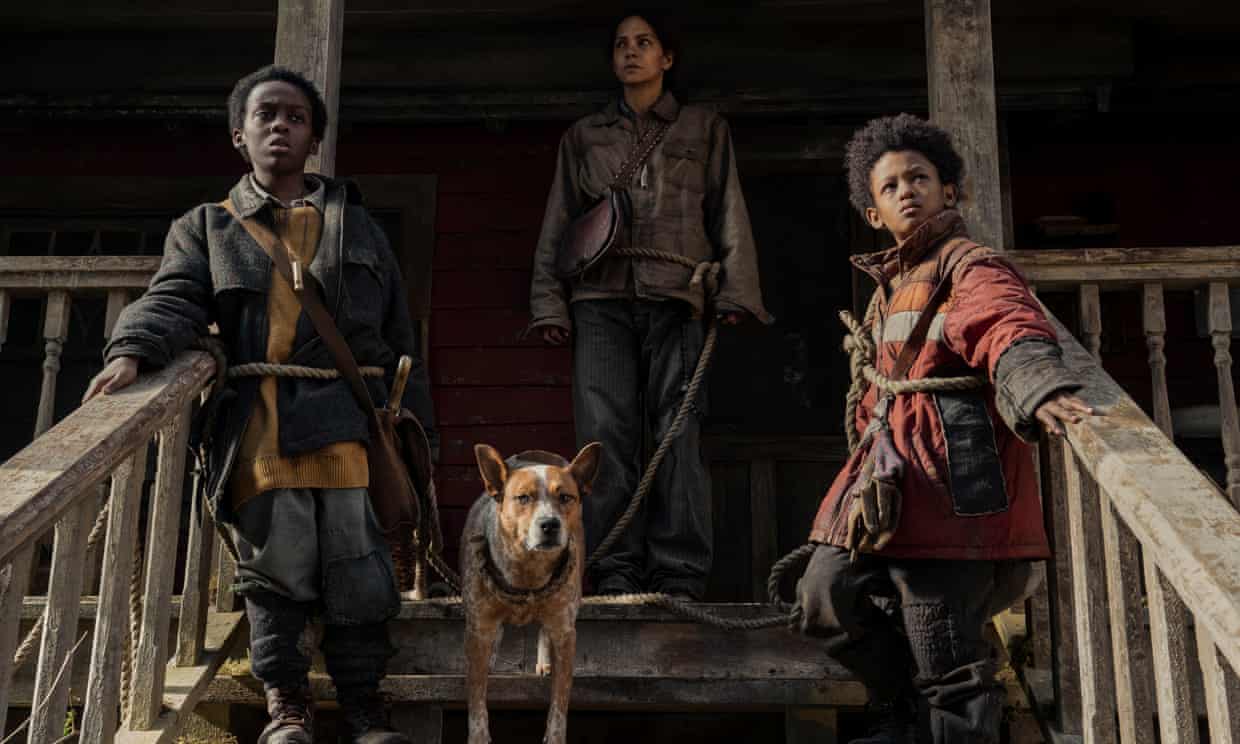
We’ve seen a steady shift in horror where Black folks are no longer just the first to die or the spiritual side character offering cryptic warnings. Instead, we’re surviving. We’re the leads. We’re the ones driving the narrative, not being driven by the generational trauma of racism, slavery, or segregation (in most cases). And I love it here.
From Jordan Peele’s Nope flipping the alien invasion trope on its head, to The Blackening dragging every horror cliché across the floor with a wink, a knife, and some hot sauce in its bag, we’re watching a renaissance unfold. Brandy’s return to horror in The Front Room? Iconic. Halle Berry anchoring Never Let Go? Tether me to that psychological chaos, please. And while I won’t touch on Jonathan Major’s situations, Lovecraft Country was absolutely everything and then some. Don’t even get me started on Sinners, a Southern Gothic vampire horror set in 1930s Mississippi. The culture is thriving.
While it’s important to acknowledge that some recent projects like Lovecraft Country and Sinners do weave elements of racism and segregation, those themes are not the sole heartbeat of the story. They exist as part of the world these characters navigate, but they don’t define the characters’ entire existence or drive every plot point. In Lovecraft Country, monsters both human and supernatural threaten survival, and in Sinners, vampirism and folklore take center stage over historical pain. These stories let Black characters exist fully -fighting, loving, scheming, surviving- without being reduced to just victims of history. It’s horror where Blackness is present but not boxed in.
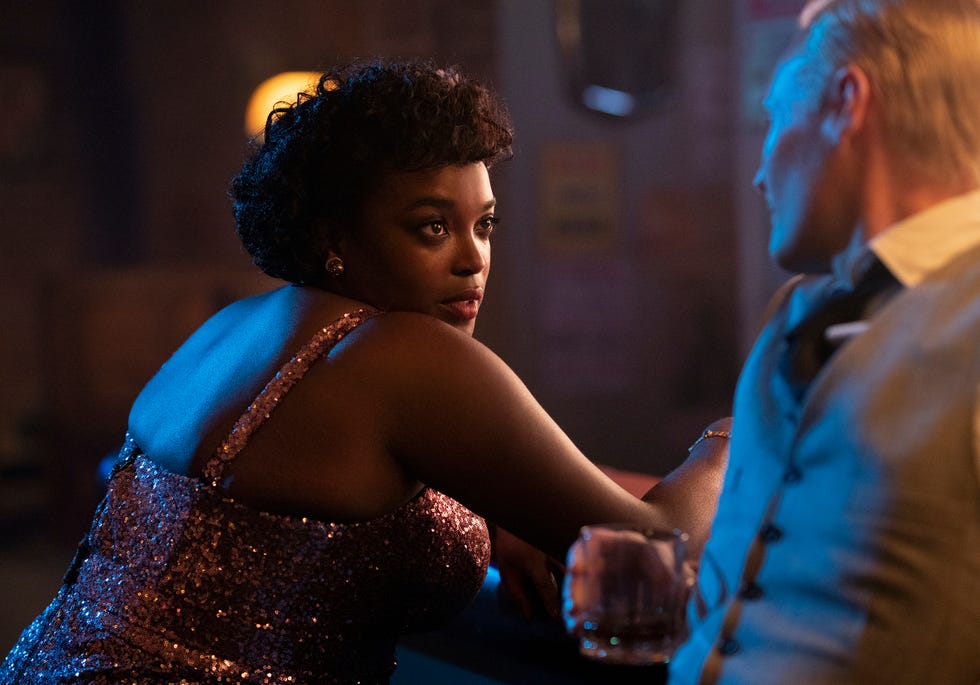
This shift matters. While art has the power to reflect struggle, it also has the right to offer escape. Black horror doesn’t have to mean rehashing the pain our ancestors carried. It can be about haunted mirrors, unexplainable creatures, cursed vinyl records, or that one demon that shouldn’t have picked a Black household to haunt. It’s all terrifying. And the best part? It gives us space to be fully human in fear, in fight, and in flight.
Let’s be real. Culturally, Black folks don’t play with supernatural nonsense. We hear a whisper in the attic and move out before the opening credits finish. We see a possessed doll? That thing’s getting burned and blessed not brought home. So when we do stick around in a horror story, you know it’s got to be some truly next-level type of energy. That’s what makes our presence in horror so rich. It forces the genre to level up.
This isn’t just a trend. It’s a movement, and I hope we keep it going. I want more Black witches, Black werewolves, Black haunted house hunters, and Black alien abductions that don’t need to teach us a history lesson first or rehash our pain. I want screams, laughs and that one cousin yelling, “Nuh uh, not today Satan!” as they sprint out the frame.
To all the Black creators out here penning creepy scripts, building sinister scores, and producing spine-tingling scenes, thank you. You’re not just diversifying the genre. You’re giving horror a soul. As long as y’all keep making them, I’ll keep showing up with popcorn, snacks, and holy water—just in case.
Cover image via Bloody Disgusting
Want to get Black Nerd Problems updates sent directly to you? Sign up here! Follow us on BlueSky, Twitter, Facebook, YouTube, Twitch, and Instagram!
The post Screaming Without Shackles: The Rise of Black Horror Beyond Trauma appeared first on Black Nerd Problems.